The Ultimate Guide to Blood Sugar Safety: Keeping Your Levels in Check
Maintaining stable blood sugar levels is crucial for overall health and well-being. Whether you’re managing diabetes, pre-diabetes, or simply aiming for a healthier lifestyle, understanding blood sugar safety is essential. This comprehensive guide will walk you through everything you need to know about keeping your blood sugar levels in a healthy range, empowering you to take control of your health and live your best life.

Why Blood Sugar Safety Matters
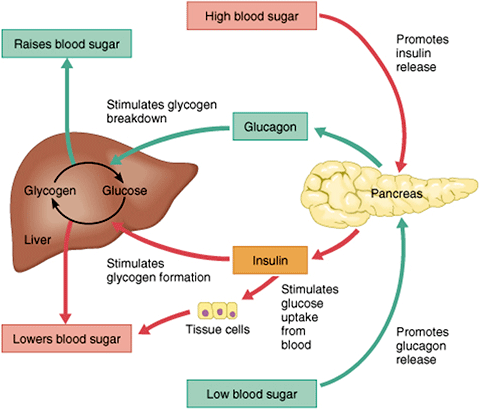
Blood sugar, or glucose, is the primary source of energy for our bodies. It comes from the food we eat, and our bodies use insulin, a hormone produced by the pancreas, to transport glucose from the bloodstream into cells for energy. When this process is disrupted, it can lead to blood sugar imbalances, which can have serious consequences.
Unstable blood sugar levels can lead to a variety of health problems:
- Diabetes: A chronic condition where the body either doesn’t produce enough insulin or can’t effectively use the insulin it produces.
- Heart Disease: High blood sugar can damage blood vessels and increase the risk of heart attack and stroke.
- Nerve Damage (Neuropathy): Elevated blood sugar can damage the nerves, leading to pain, numbness, and tingling, especially in the hands and feet.
- Kidney Damage (Nephropathy): High blood sugar can damage the blood vessels in the kidneys, potentially leading to kidney failure.
- Eye Damage (Retinopathy): High blood sugar can damage the blood vessels in the eyes, potentially leading to blindness.
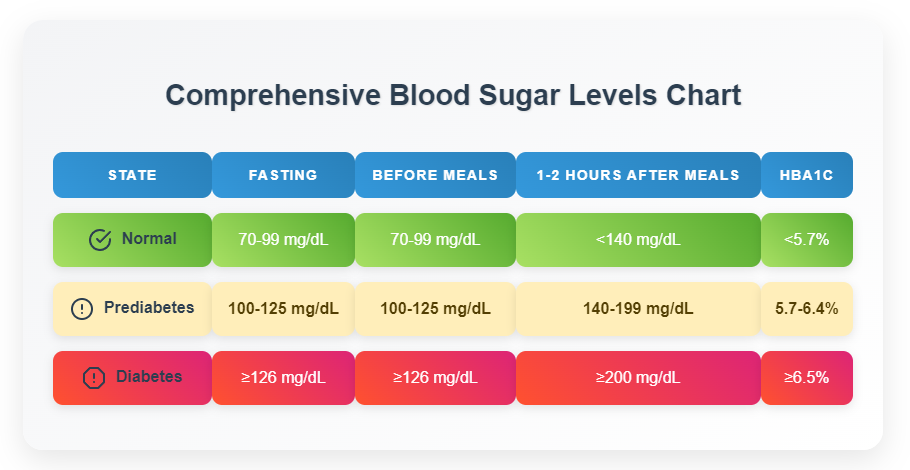
- Fasting Blood Sugar (after at least 8 hours of fasting):
- Normal: Less than 100 mg/dL (5.6 mmol/L)
- Pre-diabetes: 100 to 125 mg/dL (5.6 to 6.9 mmol/L)
- Diabetes: 126 mg/dL (7.0 mmol/L) or higher
- Postprandial Blood Sugar (2 hours after eating):
- Normal: Less than 140 mg/dL (7.8 mmol/L)
- Pre-diabetes: 140 to 199 mg/dL (7.8 to 11.0 mmol/L)
- Diabetes: 200 mg/dL (11.1 mmol/L) or higher
- A1C (Average blood sugar over 2-3 months):
- Normal: Less than 5.7%
- Pre-diabetes: 5.7% to 6.4%
- Diabetes: 6.5% or higher
- Non-starchy vegetables: Broccoli, spinach, carrots, and green beans.
- Fruits: Apples, berries, oranges, and pears.
- Whole grains: Oats, quinoa, brown rice, and whole-wheat bread.
- Legumes: Lentils, chickpeas, and beans.
- Nuts and seeds: Almonds, walnuts, chia seeds, and flax seeds.
- White bread, white rice, and pasta
- Sugary drinks like soda and juice
- Processed snacks like chips and cookies
- Potatoes
- Candy
- Protein: Helps slow down the absorption of carbohydrates and keeps you feeling full. Good sources include lean meats, poultry, fish, eggs, tofu, and legumes.
- Healthy Fats: Also slow down carbohydrate absorption and provide essential nutrients. Good sources include avocados, nuts, seeds, olive oil, and fatty fish.
- Complex Carbohydrates: Provide sustained energy and fiber. Good sources include whole grains, non-starchy vegetables, and fruits.
- Grilled chicken breast with a side of quinoa and steamed broccoli.
- Salmon with roasted sweet potatoes and a mixed green salad.
- Lentil soup with a whole-wheat roll and a side of carrots.
- Fruits and vegetables
- Whole grains
- Legumes
- Nuts and seeds
- Aerobic Exercise: Includes activities like walking, running, swimming, and cycling. Aim for at least 150 minutes of moderate-intensity aerobic exercise per week.
- Strength Training: Includes activities like lifting weights, using resistance bands, and doing bodyweight exercises. Aim for at least two strength training sessions per week, working all major muscle groups.
- Check your blood sugar levels before exercising. If your blood sugar is too low, eat a small snack before starting.
- Carry a source of quick-acting glucose with you. This could be glucose tablets, juice, or hard candy.
- Stay hydrated.
- Monitor your blood sugar levels after exercising. Exercise can sometimes cause blood sugar levels to drop, so be prepared to adjust your insulin or medication as needed.
- Meditation: Can help calm the mind and reduce stress hormones.
- Yoga: Combines physical activity with mindfulness and relaxation.
- Deep Breathing Exercises: Can help lower heart rate and blood pressure.
- Spending Time in Nature: Has been shown to reduce stress and improve mood.
- Engaging in Hobbies: Doing things you enjoy can help take your mind off stressful situations.
- Establish a regular sleep schedule. Go to bed and wake up at the same time each day, even on weekends.
- Create a relaxing bedtime routine. This could include taking a warm bath, reading a book, or listening to calming music.
- Make sure your bedroom is dark, quiet, and cool.
- Avoid caffeine and alcohol before bed.
- Limit screen time before bed. The blue light emitted from electronic devices can interfere with sleep.
- Sulfonylureas: Stimulate the pancreas to produce more insulin.
- DPP-4 Inhibitors: Help increase insulin levels and decrease glucose production.
- SGLT2 Inhibitors: Help the kidneys remove glucose from the body through urine.
- Insulin: Used when the body doesn’t produce enough insulin on its own.
- Cinnamon: May help improve insulin sensitivity.
- Chromium: May help improve blood sugar control.
- Magnesium: May help improve insulin sensitivity.
- Alpha-Lipoic Acid (ALA): May help improve nerve function in people with diabetes.
- Continuous Glucose Monitor (CGM): A device that continuously monitors blood sugar levels throughout the day and night.
- Wash your hands before testing.
- Use a fresh lancet each time you test.
- Record your blood sugar readings in a logbook or app.
- Share your readings with your healthcare provider.
- Sweating
- Dizziness
- Hunger
- Confusion
- Irritability
- Headache
- Blurred vision
- Seizures
- Loss of consciousness
- Consume 15 grams of fast-acting carbohydrates. This could be glucose tablets, juice, hard candy, or regular (non-diet) soda.
- Wait 15 minutes and check your blood sugar again.
- If your blood sugar is still below 70 mg/dL (3.9 mmol/L), repeat steps 1 and 2.
- Once your blood sugar is back to normal, eat a snack or meal to prevent it from dropping again.
- Frequent urination
- Blurred vision
- Fatigue
- Headache
- Drink plenty of water to help flush out excess glucose.
- Engage in physical activity to help lower blood sugar levels.
- Adjust your diet to reduce your intake of carbohydrates.
- Take your diabetes medications as prescribed.
- Eat a healthy, balanced diet.
- Engage in regular physical activity.
- Manage stress and prioritize sleep.
- Take your medications as prescribed.
- Recognize and treat hypoglycemia and hyperglycemia.
- Work closely with your healthcare team.
- Diabetes (Anchor Text: Diabetes)
- Glycemic Index (Anchor Text: Glycemic Index)
- Hypoglycemia (Anchor Text: Hypoglycemia)
- Hyperglycemia (Anchor Text: Hyperglycemia)
- American Diabetes Association: https://www.diabetes.org/
- National Institute of Diabetes and Digestive and Kidney Diseases (NIDDK): https://www.niddk.nih.gov/
Maintaining stable blood sugar levels helps prevent these complications and promotes overall health. It can improve energy levels, mood, and cognitive function, allowing you to feel your best every day. Let’s dive deeper into the key aspects of blood sugar safety.
Understanding Blood Sugar Levels
Knowing your blood sugar levels is the first step in maintaining blood sugar safety. Blood sugar levels are typically measured in milligrams per deciliter (mg/dL) or millimoles per liter (mmol/L). Here’s a general guideline for target blood sugar ranges:
Regular monitoring is crucial, especially if you have diabetes or pre-diabetes. Talk to your healthcare provider about the best monitoring schedule for you. Knowing your numbers empowers you to make informed decisions about your diet, exercise, and medication.

The Role of Diet in Blood Sugar Safety
What you eat has a direct impact on your blood sugar levels. Making smart food choices is one of the most effective ways to maintain stable blood sugar.

Focus on Low Glycemic Index (GI) Foods
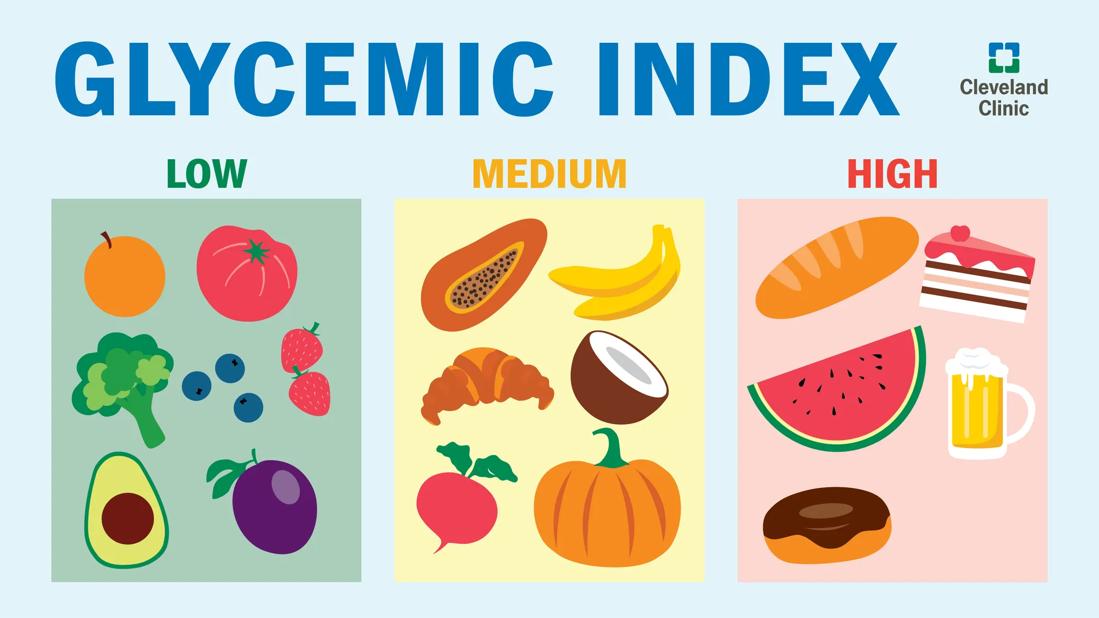
The glycemic index (GI) measures how quickly a food raises blood sugar levels. Foods with a low GI are digested and absorbed more slowly, resulting in a gradual rise in blood sugar.
Examples of low GI foods include:
Incorporating these foods into your diet can help prevent blood sugar spikes. Try swapping white rice for brown rice or choosing whole-wheat bread over white bread.
Limit High Glycemic Index (GI) Foods
Foods with a high GI are quickly digested and absorbed, leading to rapid spikes in blood sugar.
Examples of high GI foods include:
Reducing your intake of these foods can help stabilize your blood sugar levels. It’s not about completely eliminating them, but rather consuming them in moderation and pairing them with lower GI foods.
Balance Your Meals
Creating balanced meals is essential for blood sugar safety. Aim to include a combination of protein, healthy fats, and complex carbohydrates in each meal.
A balanced meal might look like:
The Importance of Fiber
Fiber is a type of carbohydrate that the body can’t digest. It helps slow down the absorption of sugar, preventing blood sugar spikes.
Good sources of fiber include:
Aim for at least 25-30 grams of fiber per day. Start slowly and gradually increase your intake to avoid digestive discomfort.
Stay Hydrated
Drinking enough water is crucial for overall health, including blood sugar management. Dehydration can cause blood sugar levels to rise.
Aim to drink at least 8 glasses of water per day. Carry a water bottle with you and sip throughout the day. Avoid sugary drinks like soda and juice, which can spike blood sugar levels.
The Power of Exercise
Regular physical activity is another key component of blood sugar safety. Exercise helps improve insulin sensitivity, which means your body can use insulin more effectively to transport glucose into cells for energy.
Types of Exercise
Both aerobic exercise and strength training are beneficial for blood sugar management.
Combining both types of exercise can have a powerful impact on blood sugar levels. Find activities you enjoy and make them a regular part of your routine.
Timing Your Exercise
The timing of your exercise can also affect your blood sugar levels. Some people find that exercising after meals helps prevent blood sugar spikes.
Experiment to see what works best for you. Monitor your blood sugar levels before, during, and after exercise to understand how your body responds.
Precautions
If you have diabetes, it’s important to take precautions before, during, and after exercise.
Stress Management and Sleep
Stress and lack of sleep can also affect blood sugar levels. When you’re stressed, your body releases hormones like cortisol, which can raise blood sugar. Lack of sleep can also impair insulin sensitivity.
Stress Management Techniques
Finding healthy ways to manage stress is crucial for blood sugar safety.
Some effective stress management techniques include:
Prioritizing Sleep
Aim for 7-9 hours of quality sleep per night.
Tips for improving sleep:
Medications and Supplements
In some cases, lifestyle changes alone may not be enough to manage blood sugar levels. Your healthcare provider may prescribe medications to help lower blood sugar.
Common Diabetes Medications
* Metformin: Helps improve insulin sensitivity and reduce glucose production in the liver.
It’s important to take your medications as prescribed and to monitor your blood sugar levels regularly. Work closely with your healthcare provider to adjust your medication as needed.
Supplements
Some supplements may help support blood sugar management, but it’s important to talk to your healthcare provider before taking any supplements, as they can interact with medications.
Some supplements that may be beneficial include:
Remember that supplements are not a substitute for a healthy diet and regular exercise.
Monitoring Your Blood Sugar
Regular blood sugar monitoring is essential for blood sugar safety, especially if you have diabetes.
Types of Blood Sugar Monitors
* Blood Glucose Meter: A small device that measures the amount of glucose in a drop of blood.
Talk to your healthcare provider about which type of monitor is best for you.
How to Monitor Your Blood Sugar
* Follow the instructions that come with your blood sugar monitor.
Monitoring your blood sugar levels regularly can help you identify patterns and make adjustments to your diet, exercise, and medication as needed.
Recognizing and Treating Hypoglycemia
Hypoglycemia, or low blood sugar, occurs when blood sugar levels drop too low. It can be a dangerous condition if left untreated.
Symptoms of Hypoglycemia
* Shakiness
Treating Hypoglycemia
If you experience symptoms of hypoglycemia, check your blood sugar levels immediately. If your blood sugar is below 70 mg/dL (3.9 mmol/L), take the following steps:
If you experience severe symptoms of hypoglycemia, such as seizures or loss of consciousness, seek immediate medical attention.
Recognizing and Treating Hyperglycemia
Hyperglycemia, or high blood sugar, occurs when blood sugar levels are too high. It can also be a dangerous condition if left untreated.
Symptoms of Hyperglycemia
* Increased thirst
Treating Hyperglycemia
If you experience symptoms of hyperglycemia, check your blood sugar levels. If your blood sugar is consistently above your target range, take the following steps:
If your blood sugar remains high despite these measures, contact your healthcare provider.
Blood Sugar Safety for Specific Populations
Blood sugar safety is important for everyone, but certain populations may have unique considerations.
Blood Sugar Safety During Pregnancy
Gestational diabetes is a type of diabetes that develops during pregnancy. It can increase the risk of complications for both the mother and the baby.
Pregnant women should be screened for gestational diabetes between 24 and 28 weeks of pregnancy. If you are diagnosed with gestational diabetes, it’s important to work closely with your healthcare provider to manage your blood sugar levels.
Blood Sugar Safety for Children
Children with diabetes require special attention to blood sugar safety. Parents and caregivers need to be educated on how to monitor blood sugar levels, administer insulin, and recognize and treat hypoglycemia and hyperglycemia.
It’s important to work closely with your child’s healthcare team to develop a comprehensive diabetes management plan.
Blood Sugar Safety for Seniors
Seniors with diabetes may face unique challenges, such as decreased mobility, cognitive impairment, and polypharmacy (taking multiple medications).
It’s important for seniors with diabetes to have regular check-ups with their healthcare provider and to work with a registered dietitian to develop a healthy eating plan.
Key Takeaways for Blood Sugar Safety
* Monitor your blood sugar levels regularly.
Taking these steps can help you maintain stable blood sugar levels and prevent the complications of diabetes.
Conclusion: Empowering You to Take Control
Blood sugar safety is a lifelong journey that requires knowledge, commitment, and support. By understanding the importance of blood sugar levels, making informed food choices, engaging in regular physical activity, managing stress, and working closely with your healthcare team, you can take control of your health and live a long, healthy, and fulfilling life. Remember, you are not alone in this journey. There are many resources available to help you succeed. Embrace the power of knowledge, stay proactive, and prioritize your well-being. Your health is your greatest asset – invest in it wisely!
Internal Linking Suggestions:
External Linking Suggestions:
Social Sharing Optimization:
Include social sharing buttons (Facebook, Twitter, LinkedIn, Pinterest) at the beginning and end of the article to encourage readers to share the content with their networks. A suggested tweet: “Comprehensive guide to blood sugar safety! Learn how to keep your levels in check and prevent complications. #bloodsugar #diabetes #healthyliving [link to article]”
Leave a Reply