Tag: glucose

  • Navigating Blood Sugar Safety: The Ultimate Guide to Balanced Glucose Levels

    Navigating Blood Sugar Safety: The Ultimate Guide to Balanced Glucose Levels

    Navigating Blood Sugar Safety: Your Friendly Guide to Staying Balanced

    Maintaining stable blood sugar levels is essential for overall health and well-being. Whether you’re managing diabetes or simply aiming for a healthier lifestyle, understanding blood sugar safety is key. This guide provides a friendly, comprehensive overview of what you need to know to keep your blood sugar balanced and stay healthy.

    Understanding Blood Sugar: The Basics

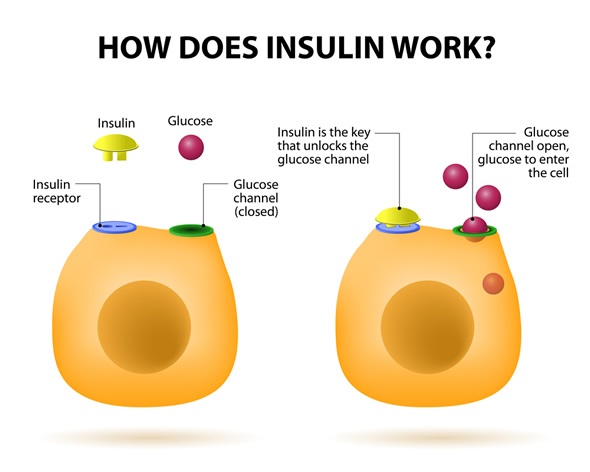
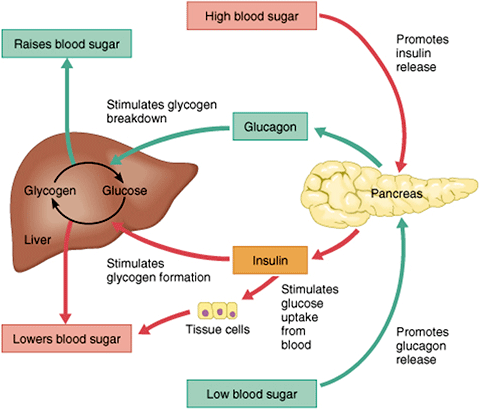
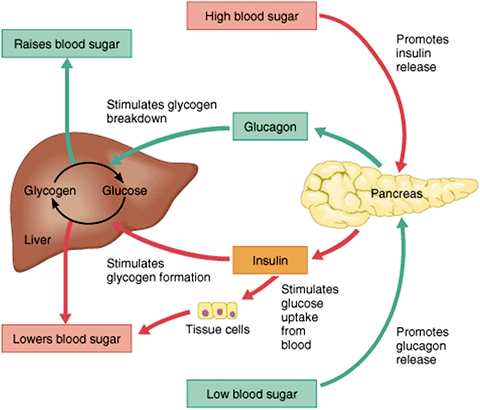
    Blood sugar, or glucose, is the primary source of energy for your body. It comes from the food you eat and is carried to your cells by the bloodstream. Insulin, a hormone produced by the pancreas, helps glucose enter your cells to be used for energy. When this process works smoothly, your blood sugar levels remain within a healthy range. But what happens when things go awry?
    What is Blood Sugar and Why Does It Matter?
    Source: www.optum.com

    What is Blood Sugar and Why Does It Matter?

    Blood sugar levels fluctuate throughout the day, depending on when you eat, how much you eat, and your activity level. Maintaining stable blood sugar is crucial because consistently high or low levels can lead to serious health complications.

    Here’s why it matters:

      1. Energy Levels: Stable blood sugar provides a consistent energy supply, preventing energy crashes and fatigue.
      2. Organ Function: Balanced blood sugar supports the proper functioning of vital organs like the brain, heart, and kidneys.
      3. Disease Prevention: Keeping blood sugar in check reduces the risk of developing type 2 diabetes, heart disease, and nerve damage.
      4. Normal Blood Sugar Ranges: A Quick Reference

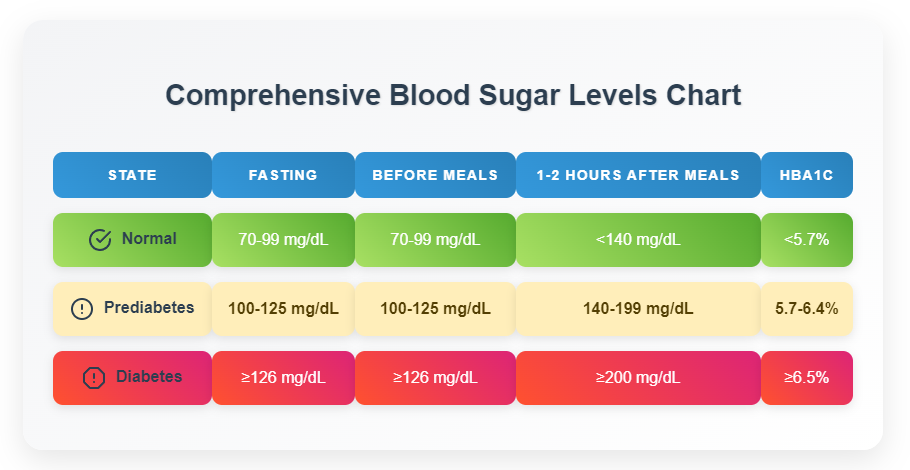
        Understanding normal blood sugar ranges is the first step in blood sugar safety. These ranges can vary slightly depending on individual circumstances and testing methods, but here’s a general guideline:

      5. Fasting Blood Sugar (after at least 8 hours of not eating): 70-99 mg/dL
      6. Two Hours After Eating: Less than 140 mg/dL
      7. A1C (average blood sugar over 2-3 months): Less than 5.7%
      8. If your blood sugar levels consistently fall outside these ranges, it’s important to consult with a healthcare provider.

        Recognizing High and Low Blood Sugar

        Being able to recognize the symptoms of high and low blood sugar is crucial for taking timely action and preventing complications.

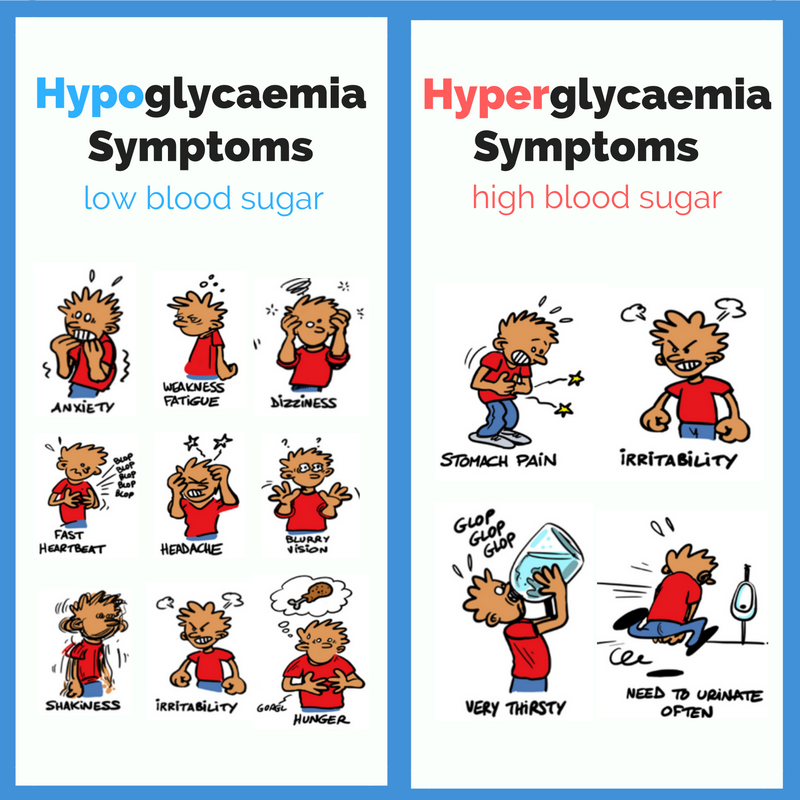
        Hyperglycemia (High Blood Sugar): Symptoms and Causes

        Hyperglycemia occurs when there’s too much glucose in the blood. This can happen for various reasons, including:

      9. Dietary Choices: Eating too many carbohydrates or sugary foods.
      10. Lack of Exercise: Physical inactivity reduces the body’s ability to use glucose for energy.
      11. Insufficient Insulin: In individuals with diabetes, not taking enough insulin or oral medication.
      12. Illness or Stress: These can cause hormonal changes that affect blood sugar levels.
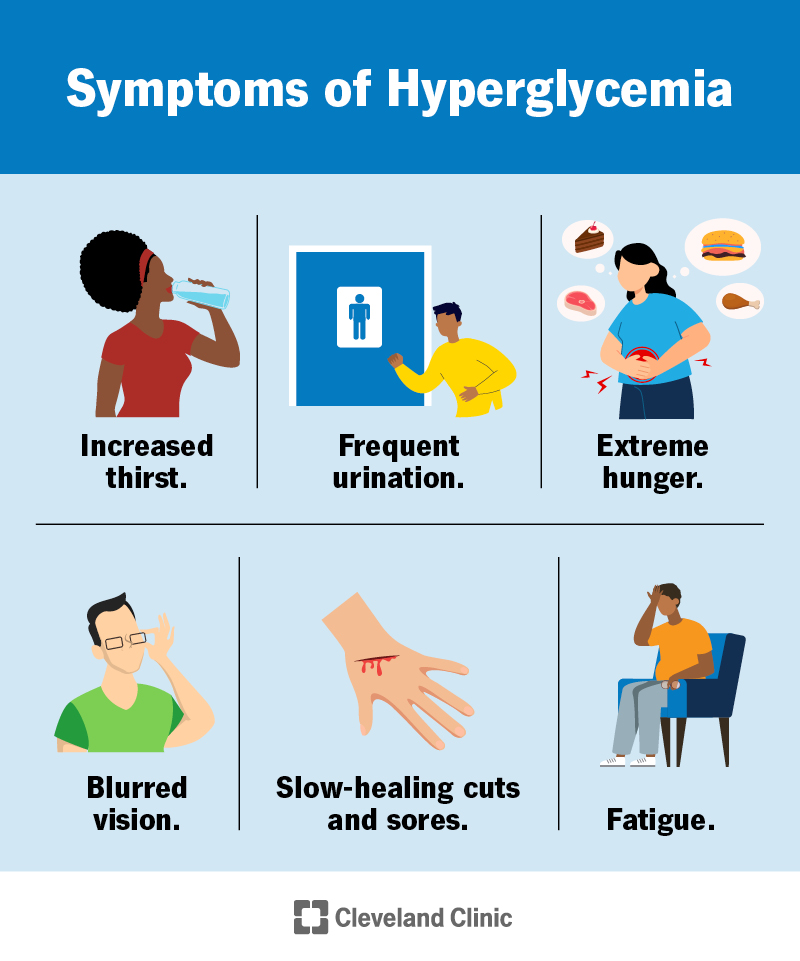
      13. Symptoms of Hyperglycemia:

      14. Increased Thirst: The body tries to flush out excess glucose through urination, leading to dehydration and increased thirst.
      15. Frequent Urination: High blood sugar levels overwhelm the kidneys, causing them to produce more urine.
      16. Blurred Vision: High glucose levels can affect the lens of the eye, leading to temporary vision changes.
      17. Fatigue: Despite having plenty of glucose in the blood, cells can’t access it effectively, resulting in fatigue.
      18. Headaches: Fluctuations in blood sugar can trigger headaches.
      19. If you experience these symptoms, it’s important to check your blood sugar levels and take appropriate action, such as adjusting your diet, exercise, or medication as directed by your healthcare provider.

        Hypoglycemia (Low Blood Sugar): Symptoms and Causes

        Hypoglycemia occurs when there’s not enough glucose in the blood. This can happen due to:

      20. Excess Insulin: Taking too much insulin or certain diabetes medications.
      21. Skipping Meals: Not eating enough food, especially after taking insulin or medication.
      22. Intense Exercise: Strenuous physical activity can deplete glucose stores.
      23. Alcohol Consumption: Alcohol can interfere with the liver’s ability to release glucose.
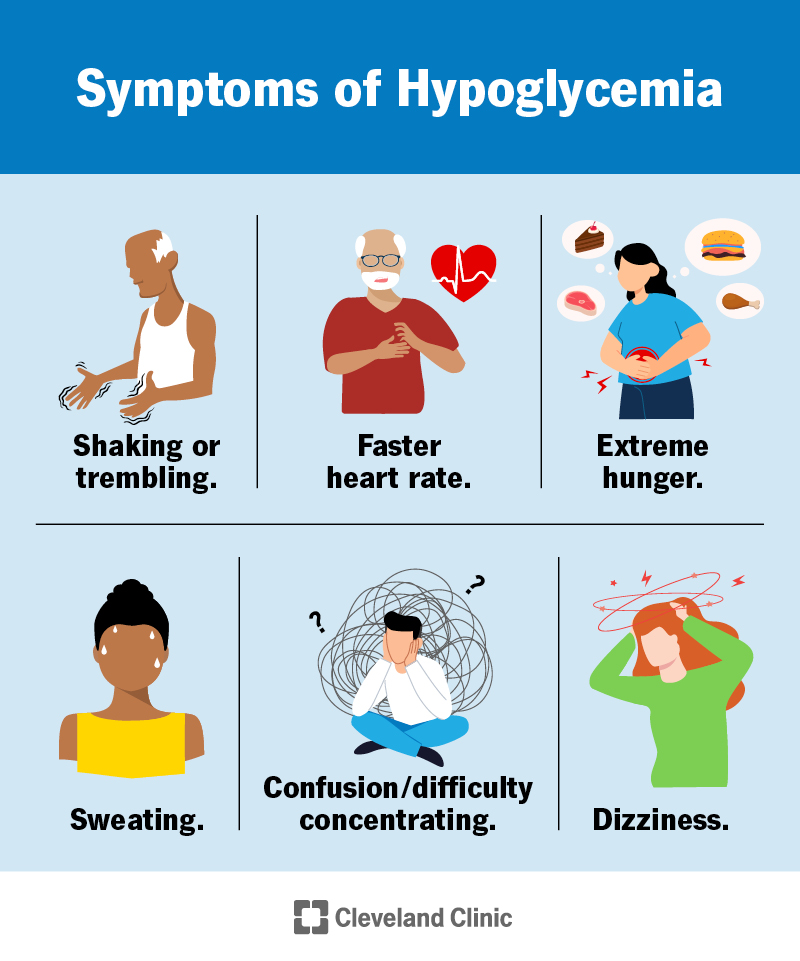
      24. Symptoms of Hypoglycemia:

      25. Shakiness: Low blood sugar can cause tremors and shakiness.
      26. Sweating: The body releases adrenaline in response to low blood sugar, leading to sweating.
      27. Dizziness: Insufficient glucose in the brain can cause dizziness and lightheadedness.
      28. Confusion: Low blood sugar can impair cognitive function, leading to confusion and difficulty concentrating.
      29. Irritability: Blood sugar fluctuations can affect mood, causing irritability and anxiety.
      30. Rapid Heartbeat: The body tries to compensate for low blood sugar by increasing heart rate.
      31. If you experience these symptoms, it’s important to check your blood sugar levels immediately. If your blood sugar is low (typically below 70 mg/dL), consume a fast-acting source of glucose, such as glucose tablets, juice, or hard candy. Recheck your blood sugar after 15 minutes, and repeat if necessary.

        Practical Tips for Maintaining Blood Sugar Safety

        Now that you understand the basics of blood sugar and how to recognize high and low levels, let’s dive into practical tips for maintaining blood sugar safety.

        Dietary Strategies for Blood Sugar Control

        What you eat has a significant impact on your blood sugar levels. Here are some dietary strategies to help you maintain stable blood sugar:

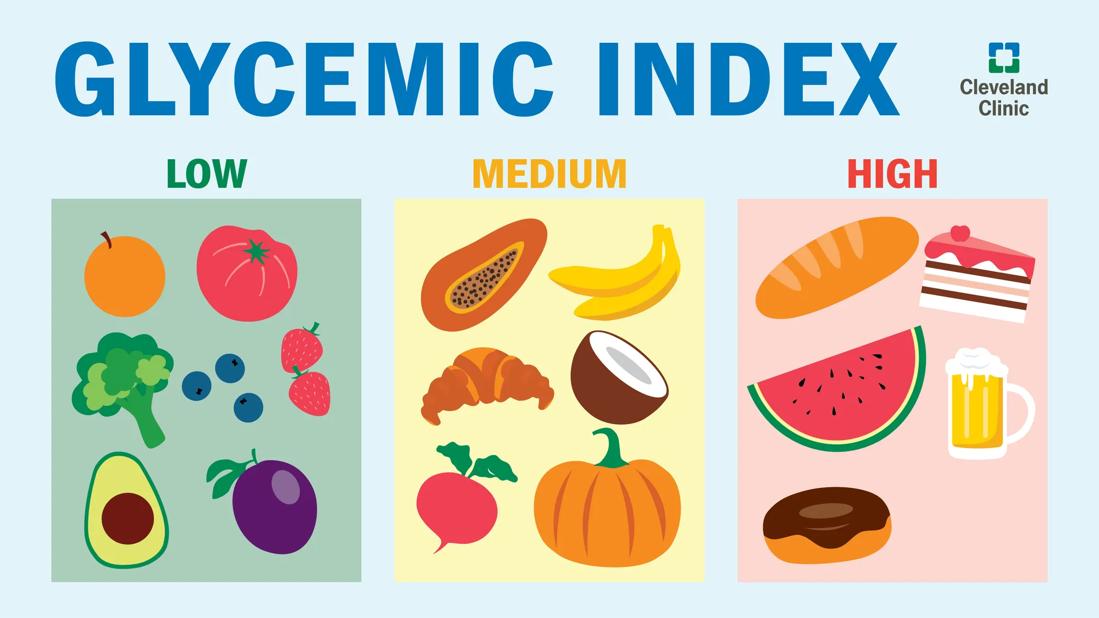
      32. Choose Low-Glycemic Index (GI) Foods: The glycemic index measures how quickly a food raises blood sugar levels. Opt for low-GI foods like whole grains, non-starchy vegetables, and legumes.
      33. Balance Your Meals: Include a mix of carbohydrates, protein, and healthy fats in each meal to slow down glucose absorption.
      34. Portion Control: Eating smaller, more frequent meals can help prevent blood sugar spikes.
      35. Limit Sugary Drinks and Processed Foods: These can cause rapid increases in blood sugar levels.
      36. Increase Fiber Intake: Fiber slows down the absorption of glucose, helping to stabilize blood sugar levels. Good sources of fiber include fruits, vegetables, and whole grains.
      37. Example Meal Plan for Blood Sugar Control:

      38. Breakfast: Oatmeal with berries and nuts
      39. Lunch: Salad with grilled chicken or tofu and a variety of non-starchy vegetables
      40. Dinner: Baked salmon with roasted vegetables and quinoa
      41. Snacks: Apple slices with almond butter, Greek yogurt with berries, or a handful of nuts
      42. The Role of Exercise in Blood Sugar Management

        Regular physical activity is essential for blood sugar management. Exercise helps improve insulin sensitivity, which means your body can use insulin more effectively to lower blood sugar levels.

      43. Aerobic Exercise: Activities like walking, jogging, swimming, and cycling can help lower blood sugar levels and improve cardiovascular health.
      44. Strength Training: Building muscle mass can improve insulin sensitivity and help regulate blood sugar levels.
      45. Consistency is Key: Aim for at least 150 minutes of moderate-intensity exercise per week, spread out over several days.
      46. Important Considerations:

      47. Check Blood Sugar Before and After Exercise: Monitor your blood sugar levels to understand how different types of exercise affect you.
      48. Stay Hydrated: Drink plenty of water to prevent dehydration, which can affect blood sugar levels.
      49. Carry a Snack: Keep a fast-acting source of glucose on hand in case your blood sugar drops too low during exercise.
      50. Monitoring Your Blood Sugar: Tools and Techniques

        Regularly monitoring your blood sugar levels is crucial for understanding how your body responds to different foods, activities, and medications.

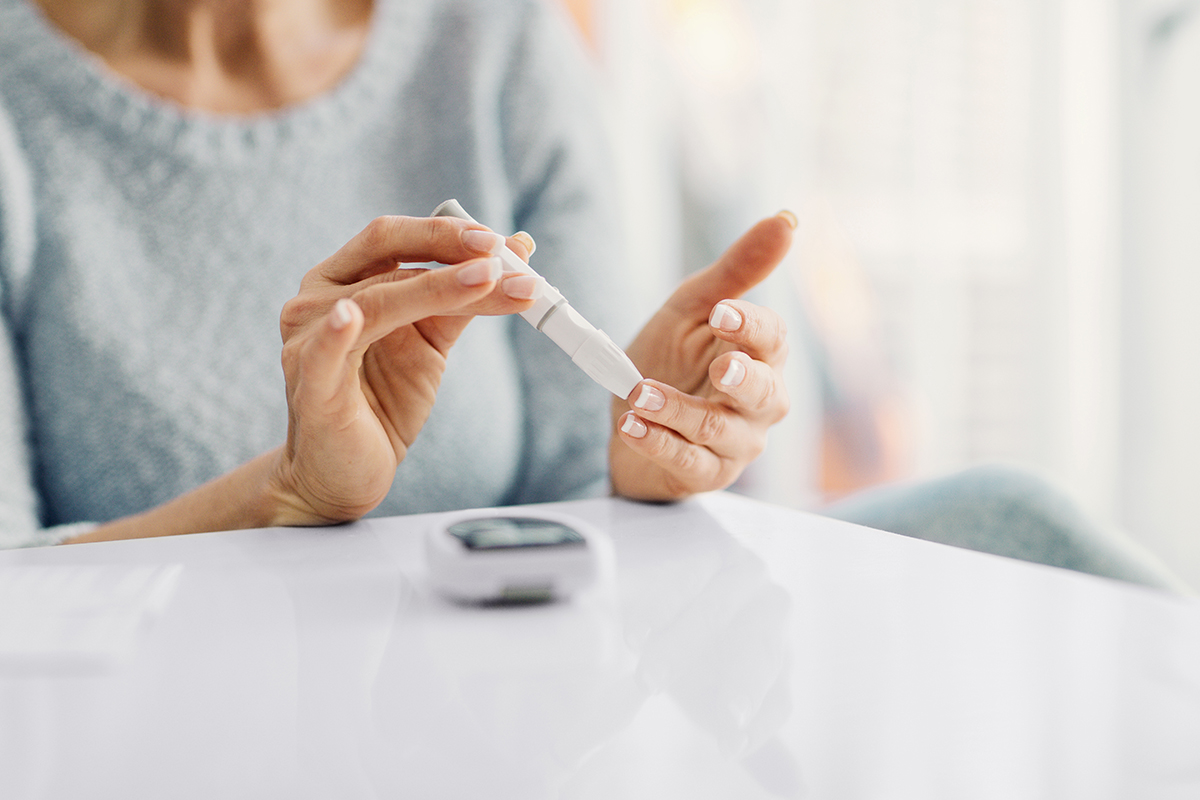
      51. Blood Glucose Meter: This is the most common tool for checking blood sugar levels. It involves pricking your finger with a lancet and placing a drop of blood on a test strip, which is then inserted into the meter.
      52. Continuous Glucose Monitor (CGM): A CGM is a small device that’s inserted under the skin and continuously monitors glucose levels throughout the day and night. It provides real-time data and alerts you when your blood sugar is too high or too low.
      53. Tips for Effective Blood Sugar Monitoring:

      54. Follow Your Healthcare Provider’s Recommendations: They can help you determine how often you should check your blood sugar and what your target ranges should be.
      55. Keep a Log: Record your blood sugar readings, along with information about your meals, activities, and medications. This can help you identify patterns and make informed decisions about your diabetes management plan.
      56. Calibrate Your Meter Regularly: Ensure your blood glucose meter is accurate by calibrating it according to the manufacturer’s instructions.
      57. Medication Management: Insulin and Other Drugs

        For many individuals with diabetes, medication is an essential part of blood sugar management.

      58. Insulin: Insulin is a hormone that helps glucose enter your cells. It’s available in various forms, including rapid-acting, short-acting, intermediate-acting, and long-acting.
      59. Oral Medications: Several types of oral medications can help lower blood sugar levels, including metformin, sulfonylureas, and DPP-4 inhibitors.
      60. Important Considerations:

      61. Follow Your Healthcare Provider’s Instructions: Take your medications exactly as prescribed and don’t change the dosage without consulting your doctor.
      62. Understand Potential Side Effects: Be aware of the potential side effects of your medications and report any concerns to your healthcare provider.
      63. Monitor Blood Sugar Regularly: Regularly check your blood sugar levels to assess how well your medications are working.
      64. Stress Management and Its Impact on Blood Sugar

        Stress can have a significant impact on blood sugar levels. When you’re stressed, your body releases hormones like cortisol and adrenaline, which can raise blood sugar levels.

      65. Identify Your Stressors: Determine what triggers your stress and develop strategies for managing them.
      66. Practice Relaxation Techniques: Techniques like deep breathing, meditation, and yoga can help reduce stress and lower blood sugar levels.
      67. Get Enough Sleep: Lack of sleep can increase stress hormones and affect blood sugar control. Aim for 7-8 hours of sleep per night.
      68. Engage in Hobbies: Make time for activities you enjoy, such as reading, gardening, or spending time with loved ones.
      69. Alcohol and Blood Sugar: What You Need to Know

        Alcohol can affect blood sugar levels in complex ways. It can initially lower blood sugar, but it can also lead to hyperglycemia later on.

      70. Drink in Moderation: If you choose to drink alcohol, do so in moderation. For women, this means no more than one drink per day, and for men, no more than two drinks per day.
      71. Eat While Drinking: Always eat something when you drink alcohol to help stabilize your blood sugar levels.
      72. Monitor Your Blood Sugar: Check your blood sugar levels before, during, and after drinking alcohol.
      73. Be Aware of Hypoglycemia: Alcohol can interfere with the liver’s ability to release glucose, increasing the risk of hypoglycemia.
      74. Emergency Situations: What to Do When Blood Sugar Levels Are Dangerously High or Low

        Despite your best efforts, there may be times when your blood sugar levels become dangerously high or low. Knowing how to respond in these situations is crucial.

        Managing Severe Hyperglycemia

        Severe hyperglycemia can lead to a condition called diabetic ketoacidosis (DKA), which is a life-threatening emergency.

        Symptoms of DKA:

      75. High Blood Sugar Levels: Typically above 300 mg/dL
      76. Ketones in Urine: Ketones are produced when the body breaks down fat for energy due to a lack of insulin.
      77. Fruity-Scented Breath: This is caused by the presence of ketones.
      78. Nausea and Vomiting: High ketone levels can cause nausea and vomiting.
      79. Abdominal Pain: DKA can cause severe abdominal pain.
      80. Rapid, Deep Breathing: The body tries to get rid of excess carbon dioxide.
      81. What to Do:

      82. Check Blood Sugar and Ketone Levels: Use a blood glucose meter and ketone test strips to confirm the diagnosis.
      83. Administer Insulin: Follow your healthcare provider’s instructions for administering insulin.
      84. Stay Hydrated: Drink plenty of water to help flush out excess glucose and ketones.
      85. Seek Medical Attention: If you suspect DKA, seek immediate medical attention.
      86. Managing Severe Hypoglycemia

        Severe hypoglycemia can lead to seizures, loss of consciousness, and even death.

        Symptoms of Severe Hypoglycemia:

      87. Loss of Consciousness: The individual is unresponsive and unable to follow commands.
      88. Seizures: Uncontrolled muscle contractions.
      89. What to Do:

      90. Administer Glucagon: If the individual is unconscious or unable to swallow, administer glucagon, a hormone that raises blood sugar levels.
      91. Call for Help: Call emergency services immediately.
      92. Provide Glucose: Once the individual regains consciousness, give them a fast-acting source of glucose, such as juice or glucose tablets.
      93. Long-Term Complications of Uncontrolled Blood Sugar

        Uncontrolled blood sugar can lead to a variety of long-term complications that affect various parts of the body.

        Cardiovascular Disease

        High blood sugar levels can damage blood vessels, increasing the risk of heart disease, stroke, and peripheral artery disease.

        Prevention:

      94. Maintain Healthy Blood Sugar Levels: Keep your blood sugar within the target range recommended by your healthcare provider.
      95. Manage Blood Pressure and Cholesterol: High blood pressure and cholesterol can further increase the risk of cardiovascular disease.
      96. Quit Smoking: Smoking damages blood vessels and increases the risk of heart disease.
      97. Nerve Damage (Neuropathy)

        High blood sugar levels can damage nerves, leading to neuropathy. This can cause pain, numbness, and tingling in the hands and feet.

        Prevention:

      98. Maintain Healthy Blood Sugar Levels: Keep your blood sugar within the target range recommended by your healthcare provider.
      99. Regular Foot Care: Inspect your feet daily for cuts, blisters, and other signs of injury.
      100. Proper Footwear: Wear comfortable shoes that fit well.
      101. Kidney Damage (Nephropathy)

        High blood sugar levels can damage the kidneys, leading to nephropathy. This can eventually lead to kidney failure.

        Prevention:

      102. Maintain Healthy Blood Sugar Levels: Keep your blood sugar within the target range recommended by your healthcare provider.
      103. Manage Blood Pressure: High blood pressure can further damage the kidneys.
      104. Regular Kidney Function Tests: Get regular kidney function tests to monitor your kidney health.
      105. Eye Damage (Retinopathy)

        High blood sugar levels can damage the blood vessels in the retina, leading to retinopathy. This can cause vision loss and blindness.

        Prevention:

      106. Maintain Healthy Blood Sugar Levels: Keep your blood sugar within the target range recommended by your healthcare provider.
      107. Regular Eye Exams: Get regular eye exams to detect and treat retinopathy early.
      108. Blood Sugar Safety in Specific Populations

        Blood sugar safety is particularly important for certain populations, including pregnant women, children, and seniors.

        Pregnancy and Gestational Diabetes

        Gestational diabetes is a type of diabetes that develops during pregnancy. It can increase the risk of complications for both the mother and the baby.

        Management:

      109. Regular Monitoring: Monitor blood sugar levels regularly.
      110. Dietary Changes: Follow a healthy diet that’s low in sugar and processed foods.
      111. Exercise: Engage in regular physical activity.
      112. Medication: Some women may need insulin or oral medications to manage their blood sugar levels.
      113. Children and Type 1 Diabetes

        Type 1 diabetes is an autoimmune condition that usually develops in childhood. It requires lifelong insulin therapy.

        Management:

      114. Insulin Therapy: Administer insulin as prescribed by the healthcare provider.
      115. Blood Sugar Monitoring: Monitor blood sugar levels regularly.
      116. Dietary Management: Follow a healthy diet that’s low in sugar and processed foods.
      117. Education: Educate children and their caregivers about diabetes management.
      118. Seniors and Diabetes

        Seniors with diabetes may face unique challenges, such as cognitive impairment, mobility issues, and polypharmacy.

        Management:

      119. Simplified Treatment Plans: Develop simplified treatment plans that are easy to follow.
      120. Medication Management: Review medications regularly to avoid drug interactions.
      121. Fall Prevention: Take steps to prevent falls, which can be more serious for seniors with diabetes.
      122. Social Support: Encourage social interaction and support to prevent isolation and depression.
      123. Conclusion: Taking Control of Your Blood Sugar Health

        Maintaining blood sugar safety is a lifelong journey that requires knowledge, commitment, and support. By understanding the basics of blood sugar, recognizing the symptoms of high and low blood sugar, and implementing practical strategies for blood sugar control, you can take control of your health and prevent serious complications. Remember to work closely with your healthcare provider to develop a personalized plan that meets your individual needs. Your health is your wealth, and taking proactive steps to manage your blood sugar is an investment in a healthier, happier future.

        Internal Linking Suggestions:

      124. Anchor Text: “normal blood sugar ranges” – Link to the section “Normal Blood Sugar Ranges: A Quick Reference” within this article.
      125. Anchor Text: “dietary strategies” – Link to the section “Dietary Strategies for Blood Sugar Control” within this article.
      126. Anchor Text: “exercise in blood sugar management” – Link to the section “The Role of Exercise in Blood Sugar Management” within this article.
      127. Anchor Text: “continuous glucose monitor” – Link to the section “Monitoring Your Blood Sugar: Tools and Techniques” within this article.
      128. Anchor Text: “symptoms of hypoglycemia” – Link to the section “Hypoglycemia (Low Blood Sugar): Symptoms and Causes” within this article.
      129. External Linking Suggestions:

      130. American Diabetes Association: https://www.diabetes.org/ (Link with anchor text: “American Diabetes Association” – opens in a new tab, rel=”noopener nofollow”)
      131. National Institute of Diabetes and Digestive and Kidney Diseases (NIDDK): https://www.niddk.nih.gov/ (Link with anchor text: “NIDDK” – opens in a new tab, rel=”noopener nofollow”)
      132. Mayo Clinic – Diabetes: [https://www.mayoclinic.org/diseases-conditions/diabetes/symptoms-causes/syc-20371
  • Navigating Blood Sugar Safety: A Complete Guide to Balanced and Healthy Living

    Navigating Blood Sugar Safety: Your Comprehensive Guide to Staying Balanced and Healthy

    Maintaining stable blood sugar levels is crucial for overall health and well-being. Think of your blood sugar as the fuel gauge for your body – too high or too low, and things can start to sputter. This comprehensive guide will walk you through understanding blood sugar, recognizing potential dangers, and implementing practical strategies to keep your levels in a safe and healthy range. Whether you’re managing diabetes or simply aiming for a healthier lifestyle, this information will empower you to take control of your blood sugar safety.

    Understanding Blood Sugar: The Basics

    Blood sugar, also known as glucose, is the primary source of energy for your body. It comes from the food you eat, and your body uses insulin, a hormone produced by the pancreas, to help glucose enter your cells for energy. Understanding how this process works is the first step in maintaining blood sugar safety.

    What is Normal Blood Sugar?

    Normal blood sugar levels vary depending on when you check them. Here’s a general guideline:

      1. Fasting Blood Sugar: 70-99 mg/dL (milligrams per deciliter)
      2. 2 Hours After Eating: Less than 140 mg/dL
      3. These are general targets, and your doctor may recommend slightly different ranges based on your individual health profile.

        The Role of Insulin

        Insulin acts like a key, unlocking your cells to allow glucose to enter and be used for energy. When you eat, your blood sugar rises, signaling the pancreas to release insulin. This helps to lower blood sugar back to a normal level. Problems arise when the body doesn’t produce enough insulin (as in type 1 diabetes) or when the body becomes resistant to insulin’s effects (as in type 2 diabetes).

        Factors Affecting Blood Sugar Levels
        Source: diatribe.org

        Factors Affecting Blood Sugar Levels

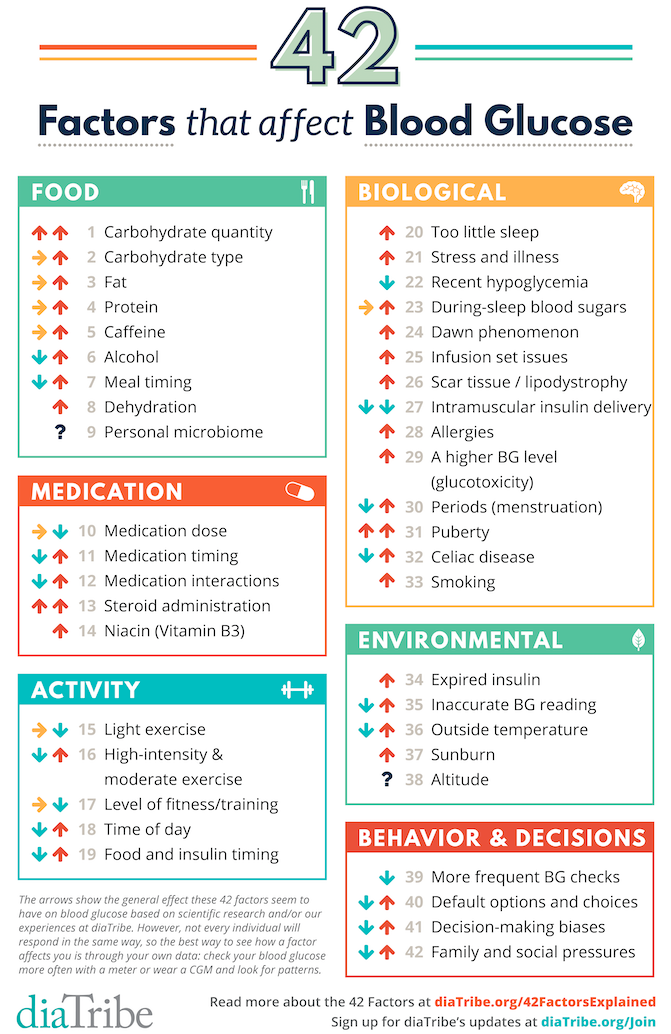
        Many factors can influence your blood sugar levels, including:

      4. Food: The type and amount of carbohydrates you consume have the most significant impact.
      5. Physical Activity: Exercise can lower blood sugar as your muscles use glucose for energy.
      6. Stress: Stress hormones can raise blood sugar levels.
      7. Illness: Being sick can also cause blood sugar fluctuations.
      8. Medications: Certain medications, like steroids, can affect blood sugar.
      9. Sleep: Lack of sleep can impact insulin sensitivity.
      10. Understanding these factors can help you better anticipate and manage your blood sugar levels.

        Recognizing the Dangers: High and Low Blood Sugar

        Both high and low blood sugar levels can pose significant health risks. Recognizing the symptoms and understanding the potential complications is essential for maintaining blood sugar safety.

        Hyperglycemia (High Blood Sugar)

        Hyperglycemia occurs when there’s too much glucose in the blood. Over time, consistently high blood sugar can lead to serious complications.

        Symptoms of Hyperglycemia:

      11. Increased thirst
      12. Frequent urination
      13. Blurred vision
      14. Fatigue
      15. Headaches
      16. Long-Term Complications of Hyperglycemia:

      17. Cardiovascular Disease: High blood sugar can damage blood vessels, increasing the risk of heart attack and stroke.
      18. Nerve Damage (Neuropathy): This can cause numbness, tingling, and pain, especially in the hands and feet.
      19. Kidney Damage (Nephropathy): High blood sugar can impair kidney function, potentially leading to kidney failure.
      20. Eye Damage (Retinopathy): This can lead to vision loss and blindness.
      21. Foot Problems: Nerve damage and poor circulation can increase the risk of foot ulcers and infections.
      22. Hypoglycemia (Low Blood Sugar)

        Hypoglycemia occurs when blood sugar levels drop too low. This can happen quickly and requires immediate attention.

        Symptoms of Hypoglycemia:

      23. Shakiness
      24. Sweating
      25. Dizziness
      26. Confusion
      27. Irritability
      28. Hunger
      29. Rapid heartbeat
      30. Blurred vision
      31. Seizures (in severe cases)
      32. Loss of consciousness (in severe cases)
      33. Causes of Hypoglycemia:

      34. Skipping meals
      35. Taking too much insulin or diabetes medication
      36. Excessive exercise without adequate carbohydrate intake
      37. Drinking alcohol, especially on an empty stomach
      38. Treating Hypoglycemia:

        If you experience symptoms of hypoglycemia, it’s crucial to act quickly. Follow the “15-15 rule”:

      39. Consume 15 grams of fast-acting carbohydrates (e.g., glucose tablets, juice, regular soda).
      40. Wait 15 minutes and check your blood sugar again.
      41. If your blood sugar is still below 70 mg/dL, repeat steps 1 and 2.
      42. Once your blood sugar is above 70 mg/dL, eat a snack or meal to prevent it from dropping again.
      43. Important Note: If someone is unconscious or unable to swallow, do not attempt to give them food or drink. Administer glucagon (if available) and call for emergency medical assistance immediately.

        Strategies for Maintaining Blood Sugar Safety

        Now that you understand the risks of high and low blood sugar, let’s explore practical strategies for maintaining stable and healthy levels.

        Dietary Management

        What you eat has a direct impact on your blood sugar. Making informed food choices is a cornerstone of blood sugar safety.

      44. Focus on Complex Carbohydrates: Choose whole grains, vegetables, and fruits over refined grains and sugary snacks. These foods are digested more slowly, leading to a more gradual rise in blood sugar.
      45. Example: Opt for brown rice instead of white rice, or choose whole-wheat bread over white bread.
      46. Control Portion Sizes: Overeating can lead to a spike in blood sugar. Use smaller plates and measure your portions to avoid overconsumption.
      47. Limit Sugary Drinks and Processed Foods: These items are often high in sugar and low in nutrients, causing rapid blood sugar spikes.
      48. Include Protein and Healthy Fats: Adding protein and healthy fats to your meals can help slow down the absorption of carbohydrates and promote stable blood sugar levels.
      49. Examples: Include lean meats, poultry, fish, beans, nuts, and avocados in your diet.
      50. Eat Regularly: Skipping meals can lead to both high and low blood sugar levels. Aim for consistent meal times and avoid long gaps between eating.
      51. Consider the Glycemic Index (GI): The GI measures how quickly a food raises blood sugar levels. Choosing foods with a low GI can help maintain more stable levels.
      52. Examples of Low GI Foods: Most fruits and vegetables, whole grains, legumes, nuts.
      53. Examples of High GI Foods: White bread, sugary drinks, processed snacks.
      54. The Power of Physical Activity

        Regular physical activity is a powerful tool for managing blood sugar. It helps your body use insulin more effectively and can lower blood sugar levels.

      55. Aim for Regular Exercise: The American Diabetes Association recommends at least 150 minutes of moderate-intensity aerobic exercise per week, spread out over at least three days.
      56. Choose Activities You Enjoy: Whether it’s walking, swimming, cycling, or dancing, find activities you find enjoyable to make exercise a sustainable part of your routine.
      57. Monitor Blood Sugar Before, During, and After Exercise: This will help you understand how your body responds to different types of exercise and adjust your food intake or medication accordingly.
      58. Stay Hydrated: Drink plenty of water before, during, and after exercise to prevent dehydration and maintain optimal blood sugar levels.
      59. Incorporate Strength Training: Strength training can help build muscle mass, which improves insulin sensitivity and helps regulate blood sugar.
      60. Stress Management Techniques

        Stress can significantly impact blood sugar levels. When you’re stressed, your body releases hormones that can raise blood sugar. Managing stress effectively is crucial for blood sugar safety.

      61. Practice Relaxation Techniques: Deep breathing exercises, meditation, and yoga can help reduce stress and lower blood sugar levels.
      62. Get Enough Sleep: Lack of sleep can increase stress hormones and impair insulin sensitivity. Aim for 7-8 hours of quality sleep per night.
      63. Engage in Hobbies: Spending time doing things you enjoy can help reduce stress and improve your overall well-being.
      64. Seek Support: Talking to a therapist, counselor, or support group can provide valuable tools for managing stress.
      65. Limit Caffeine and Alcohol: These substances can exacerbate stress and negatively impact blood sugar levels.
      66. Medication Management

        If you have diabetes, medication is often a necessary part of managing your blood sugar. It’s crucial to take your medications as prescribed and to understand how they work.

      67. Take Medications as Prescribed: Follow your doctor’s instructions carefully and don’t skip doses.
      68. Monitor Blood Sugar Regularly: Regular blood sugar monitoring is essential for understanding how your medications are working and making adjustments as needed.
      69. Communicate with Your Doctor: Keep your doctor informed about any changes in your health, lifestyle, or medications.
      70. Understand the Side Effects: Be aware of the potential side effects of your medications and report any concerns to your doctor.
      71. Carry Identification: Wear a medical ID bracelet or necklace that indicates you have diabetes and lists any medications you’re taking.
      72. Regular Blood Sugar Monitoring

        Regular blood sugar monitoring is the cornerstone of blood sugar safety, especially for individuals with diabetes. It provides valuable insights into how your body responds to food, exercise, stress, and medication.

      73. Use a Blood Glucose Meter: Follow the instructions provided with your meter and test your blood sugar at the times recommended by your doctor.
      74. Keep a Log: Record your blood sugar readings, along with any relevant information, such as food intake, exercise, and medications.
      75. Continuous Glucose Monitoring (CGM): Consider using a CGM, which continuously tracks your blood sugar levels and provides real-time data.
      76. Work with Your Healthcare Team: Share your blood sugar logs with your doctor or diabetes educator to help them adjust your treatment plan as needed.
      77. The Importance of Hydration

        Staying properly hydrated is essential for overall health and plays a significant role in blood sugar management. Dehydration can lead to higher blood sugar concentrations, making it harder for your body to regulate levels effectively.

      78. Drink Plenty of Water: Water helps to dilute the glucose in your bloodstream and allows your kidneys to flush out excess sugar through urine.
      79. Avoid Sugary Drinks: Opt for water instead of sugary sodas, juices, and sweetened beverages, which can cause rapid spikes in blood sugar.
      80. Monitor Urine Color: Pale yellow urine is a good indicator of adequate hydration. Darker urine may indicate dehydration.
      81. Drink Throughout the Day: Don’t wait until you’re thirsty to drink. Sip on water consistently throughout the day to maintain optimal hydration levels.
      82. Consider Electrolyte Balance: If you’re exercising or sweating heavily, consider replenishing electrolytes with a sports drink or electrolyte-rich foods.
      83. Creating a Blood Sugar Safety Plan

        Developing a personalized blood sugar safety plan is essential for effectively managing your blood sugar levels and preventing dangerous fluctuations. This plan should be tailored to your individual needs and circumstances, and it should be developed in consultation with your healthcare team.

      84. Identify Your Target Blood Sugar Range: Work with your doctor to determine your ideal blood sugar range, both before and after meals.
      85. Develop a Meal Plan: Work with a registered dietitian or diabetes educator to create a meal plan that meets your nutritional needs and helps you maintain stable blood sugar levels.
      86. Establish an Exercise Routine: Incorporate regular physical activity into your daily routine, and monitor your blood sugar levels before, during, and after exercise.
      87. Create a Stress Management Plan: Identify your stressors and develop strategies for managing them effectively.
      88. Know How to Treat Hypoglycemia and Hyperglycemia: Be prepared to recognize and treat both high and low blood sugar levels.
      89. Carry Emergency Supplies: Always carry a source of fast-acting carbohydrates (e.g., glucose tablets) in case of hypoglycemia.
      90. Educate Your Family and Friends: Make sure your loved ones know how to recognize and treat hypoglycemia, and that they know where to find your emergency supplies.
      91. Review and Update Your Plan Regularly: Your blood sugar safety plan should be reviewed and updated regularly to ensure that it continues to meet your needs.
      92. Blood Sugar Safety While Traveling

        Traveling can disrupt your normal routine and make it more challenging to manage your blood sugar. Planning ahead and taking precautions can help you stay safe and healthy while on the go.

      93. Pack Extra Medication and Supplies: Always pack extra medication and supplies in case of delays or unexpected events.
      94. Carry a Medical ID: Wear a medical ID bracelet or necklace that indicates you have diabetes and lists any medications you’re taking.
      95. Plan Your Meals: Research restaurants and grocery stores in advance to ensure that you have access to healthy food options.
      96. Adjust Insulin Doses as Needed: If you’re changing time zones, work with your doctor to adjust your insulin doses accordingly.
      97. Monitor Blood Sugar More Frequently: Check your blood sugar more frequently than usual to ensure that it stays within your target range.
      98. Stay Hydrated: Drink plenty of water to prevent dehydration.
      99. Be Prepared for Emergencies: Know how to treat hypoglycemia and hyperglycemia, and carry a source of fast-acting carbohydrates with you at all times.

    Conclusion: Empowering Yourself for Blood Sugar Safety

    Maintaining blood sugar safety is an ongoing journey that requires knowledge, vigilance, and a proactive approach. By understanding the basics of blood sugar, recognizing the dangers of high and low levels, and implementing practical strategies for management, you can empower yourself to live a healthier and more balanced life. Remember to work closely with your healthcare team to develop a personalized plan that meets your individual needs and goals. Staying informed, staying consistent, and staying proactive will help you navigate the path to blood sugar safety with confidence.

    Key Takeaway: Consistent monitoring, a balanced diet, regular exercise, and effective stress management are the cornerstones of blood sugar safety.

    Internal Link Suggestion: For more information on healthy eating habits, read our article on “The Ultimate Guide to Balanced Nutrition.”

    External Link Suggestion: For more information on diabetes management, visit the American Diabetes Association website: “American Diabetes Association.”

  • Mastering Blood Sugar Balance: Your Ultimate Guide to Safety and Stability

    Navigating Blood Sugar Safety: Your Comprehensive Guide to Staying Balanced

    Maintaining stable blood sugar levels is crucial for overall health and well-being. Whether you’re managing diabetes, pre-diabetes, or simply aiming for a healthier lifestyle, understanding blood sugar safety is essential. This guide will provide you with a comprehensive overview of blood sugar, including how it works, potential dangers, and practical tips to keep it within a healthy range. Let’s embark on this journey together and empower ourselves with the knowledge needed to thrive!

    Understanding Blood Sugar Basics

    Blood sugar, or glucose, is the primary source of energy for our bodies. It comes from the food we eat, primarily carbohydrates. When we consume carbohydrates, our digestive system breaks them down into glucose, which then enters the bloodstream. From there, insulin, a hormone produced by the pancreas, helps glucose move from the blood into our cells, where it’s used for energy.

    Think of insulin as the key that unlocks the door to your cells, allowing glucose to enter and provide fuel. When this process works smoothly, our blood sugar levels remain within a healthy range. However, when there’s a problem with insulin production or function, blood sugar levels can become imbalanced, leading to various health issues.

    The Role of Insulin

    Insulin plays a pivotal role in regulating blood sugar levels. After a meal, as glucose levels rise, the pancreas releases insulin to facilitate glucose uptake by cells. This process helps lower blood sugar back to a normal level. Without sufficient insulin or when cells become resistant to insulin’s effects, glucose accumulates in the bloodstream, leading to hyperglycemia (high blood sugar).

    Normal Blood Sugar Ranges

    Understanding normal blood sugar ranges is the first step in maintaining blood sugar safety. These ranges can vary slightly depending on individual factors and the specific guidelines used by healthcare providers. However, generally accepted ranges include:

      1. Fasting Blood Sugar: 70-99 mg/dL
      2. Postprandial (after meal) Blood Sugar: Less than 140 mg/dL two hours after eating
      3. HbA1c (Average Blood Sugar over 2-3 months): Less than 5.7%
      4. Key Takeaway: Knowing these ranges empowers you to monitor your blood sugar levels effectively and take appropriate action when necessary.

        The Dangers of Unstable Blood Sugar

        Unstable blood sugar levels, whether high or low, can pose significant health risks. Understanding these dangers is crucial for taking proactive steps to maintain balance. Let’s explore the potential consequences of both hyperglycemia and hypoglycemia.

        Hyperglycemia (High Blood Sugar)

        Hyperglycemia occurs when there’s too much glucose in the blood. Over time, consistently high blood sugar levels can lead to serious complications, including:

      5. Type 2 Diabetes: Prolonged hyperglycemia can lead to insulin resistance and ultimately, type 2 diabetes.
      6. Cardiovascular Disease: High blood sugar can damage blood vessels, increasing the risk of heart disease, stroke, and peripheral artery disease.
      7. Nerve Damage (Neuropathy): Elevated glucose levels can harm the nerves, causing pain, numbness, and tingling, particularly in the hands and feet.
      8. Kidney Damage (Nephropathy): High blood sugar can damage the small blood vessels in the kidneys, leading to kidney disease and eventual kidney failure.
      9. Eye Damage (Retinopathy): Hyperglycemia can damage the blood vessels in the retina, potentially leading to vision loss and blindness.
      10. Increased Risk of Infections: High blood sugar can weaken the immune system, making individuals more susceptible to infections.
      11. Example: A person consistently consuming sugary drinks and processed foods may experience chronic hyperglycemia, significantly increasing their risk of developing type 2 diabetes and associated complications.

        Hypoglycemia (Low Blood Sugar)

        Hypoglycemia occurs when blood sugar levels drop too low. This can happen for various reasons, including skipping meals, taking too much insulin, or engaging in intense physical activity without adequate carbohydrate intake. Symptoms of hypoglycemia can range from mild to severe and may include:

      12. Shakiness
      13. Sweating
      14. Dizziness
      15. Confusion
      16. Irritability
      17. Rapid Heartbeat
      18. Blurred Vision
      19. Loss of Consciousness
      20. Seizures
      21. Important Note: Severe hypoglycemia can be life-threatening and requires immediate treatment.

        Actionable Advice: If you experience symptoms of hypoglycemia, check your blood sugar levels immediately. If your blood sugar is below 70 mg/dL, consume a fast-acting source of carbohydrates, such as glucose tablets, fruit juice, or hard candy.

        Strategies for Maintaining Blood Sugar Safety

        Now that we understand the importance of blood sugar safety and the potential dangers of imbalance, let’s explore practical strategies to help you maintain healthy blood sugar levels.

        Dietary Modifications

        What you eat plays a significant role in regulating blood sugar. Making informed dietary choices can have a profound impact on your overall health.

      22. Choose Low Glycemic Index (GI) Foods: The glycemic index measures how quickly a food raises blood sugar levels. Opt for foods with a low GI, such as whole grains, legumes, non-starchy vegetables, and fruits like berries and apples.
      23. Limit Processed Foods and Sugary Drinks: These foods are often high in refined carbohydrates and added sugars, which can cause rapid spikes in blood sugar.
      24. Focus on Fiber: Fiber slows down the absorption of glucose, helping to stabilize blood sugar levels. Include plenty of fiber-rich foods in your diet, such as vegetables, fruits, whole grains, and legumes.
      25. Balance Your Meals: Combine carbohydrates with protein and healthy fats to slow down glucose absorption and promote stable blood sugar levels.
      26. Portion Control: Be mindful of portion sizes to avoid overeating, which can lead to blood sugar spikes.
      27. Example: Instead of white bread, choose whole-grain bread. Instead of sugary soda, opt for water or unsweetened tea.

        Regular Physical Activity

        Exercise is a powerful tool for managing blood sugar. It helps improve insulin sensitivity, allowing your body to use glucose more effectively.

      28. Aerobic Exercise: Engage in activities like walking, jogging, swimming, or cycling for at least 30 minutes most days of the week.
      29. Strength Training: Incorporate strength training exercises to build muscle mass, which can further improve insulin sensitivity.
      30. Consistency is Key: Regular physical activity is more effective than sporadic bursts of exercise. Aim for a consistent exercise routine to reap the maximum benefits.
      31. Practical Tip: Take a brisk walk after meals to help lower blood sugar levels.

        Blood Sugar Monitoring

        Regular blood sugar monitoring is essential, especially for individuals with diabetes. It allows you to track your blood sugar levels, identify patterns, and make informed decisions about your diet, exercise, and medication.

      32. Use a Blood Glucose Meter: Follow your healthcare provider’s recommendations for how often to check your blood sugar.
      33. Keep a Log: Record your blood sugar readings, along with information about your meals, exercise, and medications.
      34. Discuss Results with Your Healthcare Provider: Share your blood sugar logs with your healthcare provider to identify any trends or concerns and adjust your treatment plan as needed.
      35. Recommendation: Consider using a continuous glucose monitor (CGM) for real-time blood sugar monitoring and alerts.

        Stress Management

        Stress can significantly impact blood sugar levels. When you’re stressed, your body releases hormones that can raise blood sugar.

      36. Practice Relaxation Techniques: Engage in activities like meditation, yoga, deep breathing exercises, or spending time in nature to reduce stress.
      37. Get Enough Sleep: Aim for 7-8 hours of quality sleep each night. Sleep deprivation can increase stress hormones and impair insulin sensitivity.
      38. Seek Support: Talk to a therapist, counselor, or support group to manage stress and develop coping strategies.
      39. Remember: Prioritizing stress management is crucial for maintaining stable blood sugar levels and overall well-being.

        Medication Management

        For individuals with diabetes, medication is often a necessary part of managing blood sugar.

      40. Follow Your Healthcare Provider’s Instructions: Take your medications as prescribed and understand their potential side effects.
      41. Monitor Blood Sugar Levels Regularly: Check your blood sugar levels regularly to assess the effectiveness of your medications.
      42. Communicate with Your Healthcare Provider: Report any concerns or side effects to your healthcare provider and work together to adjust your medication regimen as needed.
      43. Caution: Never adjust your medication dosage without consulting your healthcare provider.

        Specific Situations and Blood Sugar Safety

        Certain situations require extra attention to blood sugar safety. Understanding these scenarios can help you prepare and prevent potential complications.

        Traveling

        Traveling can disrupt your normal routine and make it challenging to manage blood sugar.

      44. Pack Snacks: Bring healthy snacks with you to prevent hypoglycemia, especially during long flights or car rides.
      45. Adjust Insulin Doses: If you’re traveling across time zones, work with your healthcare provider to adjust your insulin doses accordingly.
      46. Stay Hydrated: Drink plenty of water to prevent dehydration, which can affect blood sugar levels.
      47. Monitor Blood Sugar More Frequently: Check your blood sugar levels more often than usual to ensure they remain within a safe range.
      48. Tip: Carry a medical identification card or bracelet indicating that you have diabetes.

        Illness

        Illness can also affect blood sugar levels. When you’re sick, your body releases hormones that can raise blood sugar.

      49. Continue Taking Your Medications: Even if you’re not eating as much, continue taking your diabetes medications as prescribed.
      50. Monitor Blood Sugar More Frequently: Check your blood sugar levels more often than usual to monitor the effects of illness.
      51. Stay Hydrated: Drink plenty of fluids to prevent dehydration.
      52. Contact Your Healthcare Provider: If you’re unable to keep food or fluids down, or if your blood sugar levels are consistently high or low, contact your healthcare provider.
      53. Important Note: Have a sick day plan in place with your healthcare provider.

        Exercise

        While exercise is beneficial for blood sugar management, it can also cause blood sugar levels to fluctuate.

      54. Check Blood Sugar Before, During, and After Exercise: Monitor your blood sugar levels to understand how your body responds to different types of exercise.
      55. Adjust Insulin Doses: If you take insulin, you may need to adjust your dosage before or after exercise to prevent hypoglycemia.
      56. Carry a Fast-Acting Carbohydrate Source: Keep glucose tablets or other fast-acting carbohydrates with you in case your blood sugar drops too low during exercise.
      57. Stay Hydrated: Drink plenty of water to prevent dehydration.
      58. Recommendation: Work with a certified diabetes educator or exercise physiologist to develop a safe and effective exercise plan.

        Debunking Common Blood Sugar Myths

        There are many misconceptions about blood sugar and diabetes. Let’s debunk some common myths to ensure you have accurate information.

      59. Myth: Eating too much sugar causes diabetes.
      60. Fact: Type 2 diabetes is caused by a combination of genetic and lifestyle factors, including obesity, inactivity, and insulin resistance. While excessive sugar intake can contribute to weight gain and increase the risk of type 2 diabetes, it’s not the sole cause.
      61. Myth: People with diabetes can’t eat any sugar.
      62. Fact: People with diabetes can enjoy small amounts of sugar as part of a balanced diet. The key is to manage carbohydrate intake and monitor blood sugar levels.
      63. Myth: Diabetes is not a serious condition.
      64. Fact: Diabetes is a serious condition that can lead to numerous complications, including heart disease, kidney disease, nerve damage, and vision loss.
      65. Myth: Only overweight people get diabetes.
      66. Fact: While obesity is a major risk factor for type 2 diabetes, people of any weight can develop the condition. Genetics, ethnicity, and other lifestyle factors also play a role.
      67. Key Takeaway: Rely on credible sources and healthcare professionals for accurate information about blood sugar and diabetes.

        The Future of Blood Sugar Management

        Advancements in technology and research are continuously improving blood sugar management.

      68. Continuous Glucose Monitoring (CGM): CGMs provide real-time blood sugar readings and alerts, allowing for more proactive management.
      69. Insulin Pumps: Insulin pumps deliver a continuous dose of insulin, mimicking the body’s natural insulin release.
      70. Artificial Pancreas Systems: These systems combine a CGM and an insulin pump to automatically adjust insulin delivery based on blood sugar levels.
      71. New Medications: Researchers are developing new medications that can improve insulin sensitivity, lower blood sugar levels, and reduce the risk of complications.
      72. Exciting Development: The development of closed-loop systems, also known as artificial pancreases, promises to revolutionize diabetes management by automating insulin delivery and maintaining stable blood sugar levels.

        Conclusion: Empowering Yourself for Blood Sugar Safety

        Maintaining blood sugar safety is a lifelong journey that requires knowledge, awareness, and proactive management. By understanding the basics of blood sugar, recognizing the dangers of imbalance, and implementing practical strategies for maintaining healthy levels, you can empower yourself to thrive. Remember to prioritize a balanced diet, regular physical activity, stress management, and regular blood sugar monitoring. Stay informed, work closely with your healthcare provider, and embrace the advancements in technology that can help you achieve optimal blood sugar control. Your health is your wealth, and investing in blood sugar safety is an investment in a healthier, happier future.

        Call to Action: Start today by making one small change to improve your blood sugar safety. Whether it’s choosing a healthier snack, taking a walk after dinner, or scheduling a check-up with your healthcare provider, every step counts.

        Internal Linking Suggestions:

      73. Link to another article on your site about “Low Glycemic Index Foods” when discussing dietary modifications. Anchor text: “Low Glycemic Index Foods”
      74. Link to an article about “Benefits of Regular Exercise” when discussing physical activity. Anchor text: “Benefits of Regular Exercise”
      75. Link to a page with information on “Continuous Glucose Monitoring” when discussing blood sugar monitoring. Anchor text: “Continuous Glucose Monitoring”
      76. External Linking Suggestions:

      77. Link to the American Diabetes Association (diabetes.org) for general information about diabetes. Link attribute: rel=”noopener”
      78. Link to the National Institute of Diabetes and Digestive and Kidney Diseases (niddk.nih.gov) for research and statistics on diabetes. Link attribute: rel=”noopener”
  • The Comprehensive Guide to Blood Sugar Safety: Tips for Managing Your Levels for Optimal Health

    The Comprehensive Guide to Blood Sugar Safety: Tips for Managing Your Levels for Optimal Health

    The Ultimate Guide to Blood Sugar Safety: Keeping Your Levels in Check

    Maintaining stable blood sugar levels is crucial for overall health and well-being. Whether you’re managing diabetes, pre-diabetes, or simply aiming for a healthier lifestyle, understanding blood sugar safety is essential. This comprehensive guide will walk you through everything you need to know about keeping your blood sugar levels in a healthy range, empowering you to take control of your health and live your best life.

    Why Blood Sugar Safety Matters

    Blood sugar, or glucose, is the primary source of energy for our bodies. It comes from the food we eat, and our bodies use insulin, a hormone produced by the pancreas, to transport glucose from the bloodstream into cells for energy. When this process is disrupted, it can lead to blood sugar imbalances, which can have serious consequences.

    Unstable blood sugar levels can lead to a variety of health problems:

      1. Diabetes: A chronic condition where the body either doesn’t produce enough insulin or can’t effectively use the insulin it produces.
      2. Heart Disease: High blood sugar can damage blood vessels and increase the risk of heart attack and stroke.
      3. Nerve Damage (Neuropathy): Elevated blood sugar can damage the nerves, leading to pain, numbness, and tingling, especially in the hands and feet.
      4. Kidney Damage (Nephropathy): High blood sugar can damage the blood vessels in the kidneys, potentially leading to kidney failure.
      5. Eye Damage (Retinopathy): High blood sugar can damage the blood vessels in the eyes, potentially leading to blindness.
      6. Maintaining stable blood sugar levels helps prevent these complications and promotes overall health. It can improve energy levels, mood, and cognitive function, allowing you to feel your best every day. Let’s dive deeper into the key aspects of blood sugar safety.

        Understanding Blood Sugar Levels

        Knowing your blood sugar levels is the first step in maintaining blood sugar safety. Blood sugar levels are typically measured in milligrams per deciliter (mg/dL) or millimoles per liter (mmol/L). Here’s a general guideline for target blood sugar ranges:

      7. Fasting Blood Sugar (after at least 8 hours of fasting):
      8. Normal: Less than 100 mg/dL (5.6 mmol/L)
      9. Pre-diabetes: 100 to 125 mg/dL (5.6 to 6.9 mmol/L)
      10. Diabetes: 126 mg/dL (7.0 mmol/L) or higher
      11. Postprandial Blood Sugar (2 hours after eating):
      12. Normal: Less than 140 mg/dL (7.8 mmol/L)
      13. Pre-diabetes: 140 to 199 mg/dL (7.8 to 11.0 mmol/L)
      14. Diabetes: 200 mg/dL (11.1 mmol/L) or higher
      15. A1C (Average blood sugar over 2-3 months):
      16. Normal: Less than 5.7%
      17. Pre-diabetes: 5.7% to 6.4%
      18. Diabetes: 6.5% or higher
      19. Regular monitoring is crucial, especially if you have diabetes or pre-diabetes. Talk to your healthcare provider about the best monitoring schedule for you. Knowing your numbers empowers you to make informed decisions about your diet, exercise, and medication.

        The Role of Diet in Blood Sugar Safety

        What you eat has a direct impact on your blood sugar levels. Making smart food choices is one of the most effective ways to maintain stable blood sugar.

        Focus on Low Glycemic Index (GI) Foods

        The glycemic index (GI) measures how quickly a food raises blood sugar levels. Foods with a low GI are digested and absorbed more slowly, resulting in a gradual rise in blood sugar.

        Examples of low GI foods include:

      20. Non-starchy vegetables: Broccoli, spinach, carrots, and green beans.
      21. Fruits: Apples, berries, oranges, and pears.
      22. Whole grains: Oats, quinoa, brown rice, and whole-wheat bread.
      23. Legumes: Lentils, chickpeas, and beans.
      24. Nuts and seeds: Almonds, walnuts, chia seeds, and flax seeds.
      25. Incorporating these foods into your diet can help prevent blood sugar spikes. Try swapping white rice for brown rice or choosing whole-wheat bread over white bread.

        Limit High Glycemic Index (GI) Foods

        Foods with a high GI are quickly digested and absorbed, leading to rapid spikes in blood sugar.

        Examples of high GI foods include:

      26. White bread, white rice, and pasta
      27. Sugary drinks like soda and juice
      28. Processed snacks like chips and cookies
      29. Potatoes
      30. Candy
      31. Reducing your intake of these foods can help stabilize your blood sugar levels. It’s not about completely eliminating them, but rather consuming them in moderation and pairing them with lower GI foods.

        Balance Your Meals

        Creating balanced meals is essential for blood sugar safety. Aim to include a combination of protein, healthy fats, and complex carbohydrates in each meal.

      32. Protein: Helps slow down the absorption of carbohydrates and keeps you feeling full. Good sources include lean meats, poultry, fish, eggs, tofu, and legumes.
      33. Healthy Fats: Also slow down carbohydrate absorption and provide essential nutrients. Good sources include avocados, nuts, seeds, olive oil, and fatty fish.
      34. Complex Carbohydrates: Provide sustained energy and fiber. Good sources include whole grains, non-starchy vegetables, and fruits.
      35. A balanced meal might look like:

      36. Grilled chicken breast with a side of quinoa and steamed broccoli.
      37. Salmon with roasted sweet potatoes and a mixed green salad.
      38. Lentil soup with a whole-wheat roll and a side of carrots.
      39. The Importance of Fiber

        Fiber is a type of carbohydrate that the body can’t digest. It helps slow down the absorption of sugar, preventing blood sugar spikes.

        Good sources of fiber include:

      40. Fruits and vegetables
      41. Whole grains
      42. Legumes
      43. Nuts and seeds
      44. Aim for at least 25-30 grams of fiber per day. Start slowly and gradually increase your intake to avoid digestive discomfort.

        Stay Hydrated

        Drinking enough water is crucial for overall health, including blood sugar management. Dehydration can cause blood sugar levels to rise.

        Aim to drink at least 8 glasses of water per day. Carry a water bottle with you and sip throughout the day. Avoid sugary drinks like soda and juice, which can spike blood sugar levels.

        The Power of Exercise

        Regular physical activity is another key component of blood sugar safety. Exercise helps improve insulin sensitivity, which means your body can use insulin more effectively to transport glucose into cells for energy.

        Types of Exercise

        Both aerobic exercise and strength training are beneficial for blood sugar management.

      45. Aerobic Exercise: Includes activities like walking, running, swimming, and cycling. Aim for at least 150 minutes of moderate-intensity aerobic exercise per week.
      46. Strength Training: Includes activities like lifting weights, using resistance bands, and doing bodyweight exercises. Aim for at least two strength training sessions per week, working all major muscle groups.
      47. Combining both types of exercise can have a powerful impact on blood sugar levels. Find activities you enjoy and make them a regular part of your routine.

        Timing Your Exercise

        The timing of your exercise can also affect your blood sugar levels. Some people find that exercising after meals helps prevent blood sugar spikes.

        Experiment to see what works best for you. Monitor your blood sugar levels before, during, and after exercise to understand how your body responds.

        Precautions

        If you have diabetes, it’s important to take precautions before, during, and after exercise.

      48. Check your blood sugar levels before exercising. If your blood sugar is too low, eat a small snack before starting.
      49. Carry a source of quick-acting glucose with you. This could be glucose tablets, juice, or hard candy.
      50. Stay hydrated.
      51. Monitor your blood sugar levels after exercising. Exercise can sometimes cause blood sugar levels to drop, so be prepared to adjust your insulin or medication as needed.
      52. Stress Management and Sleep

        Stress and lack of sleep can also affect blood sugar levels. When you’re stressed, your body releases hormones like cortisol, which can raise blood sugar. Lack of sleep can also impair insulin sensitivity.

        Stress Management Techniques

        Finding healthy ways to manage stress is crucial for blood sugar safety.

        Some effective stress management techniques include:

      53. Meditation: Can help calm the mind and reduce stress hormones.
      54. Yoga: Combines physical activity with mindfulness and relaxation.
      55. Deep Breathing Exercises: Can help lower heart rate and blood pressure.
      56. Spending Time in Nature: Has been shown to reduce stress and improve mood.
      57. Engaging in Hobbies: Doing things you enjoy can help take your mind off stressful situations.
      58. Prioritizing Sleep

        Aim for 7-9 hours of quality sleep per night.

        Tips for improving sleep:

      59. Establish a regular sleep schedule. Go to bed and wake up at the same time each day, even on weekends.
      60. Create a relaxing bedtime routine. This could include taking a warm bath, reading a book, or listening to calming music.
      61. Make sure your bedroom is dark, quiet, and cool.
      62. Avoid caffeine and alcohol before bed.
      63. Limit screen time before bed. The blue light emitted from electronic devices can interfere with sleep.
      64. Medications and Supplements

        In some cases, lifestyle changes alone may not be enough to manage blood sugar levels. Your healthcare provider may prescribe medications to help lower blood sugar.

        Common Diabetes Medications

        * Metformin: Helps improve insulin sensitivity and reduce glucose production in the liver.

      65. Sulfonylureas: Stimulate the pancreas to produce more insulin.
      66. DPP-4 Inhibitors: Help increase insulin levels and decrease glucose production.
      67. SGLT2 Inhibitors: Help the kidneys remove glucose from the body through urine.
      68. Insulin: Used when the body doesn’t produce enough insulin on its own.
      69. It’s important to take your medications as prescribed and to monitor your blood sugar levels regularly. Work closely with your healthcare provider to adjust your medication as needed.

        Supplements

        Some supplements may help support blood sugar management, but it’s important to talk to your healthcare provider before taking any supplements, as they can interact with medications.

        Some supplements that may be beneficial include:

      70. Cinnamon: May help improve insulin sensitivity.
      71. Chromium: May help improve blood sugar control.
      72. Magnesium: May help improve insulin sensitivity.
      73. Alpha-Lipoic Acid (ALA): May help improve nerve function in people with diabetes.
      74. Remember that supplements are not a substitute for a healthy diet and regular exercise.

        Monitoring Your Blood Sugar

        Regular blood sugar monitoring is essential for blood sugar safety, especially if you have diabetes.

        Types of Blood Sugar Monitors

        * Blood Glucose Meter: A small device that measures the amount of glucose in a drop of blood.

      75. Continuous Glucose Monitor (CGM): A device that continuously monitors blood sugar levels throughout the day and night.
      76. Talk to your healthcare provider about which type of monitor is best for you.

        How to Monitor Your Blood Sugar

        * Follow the instructions that come with your blood sugar monitor.

      77. Wash your hands before testing.
      78. Use a fresh lancet each time you test.
      79. Record your blood sugar readings in a logbook or app.
      80. Share your readings with your healthcare provider.
      81. Monitoring your blood sugar levels regularly can help you identify patterns and make adjustments to your diet, exercise, and medication as needed.

        Recognizing and Treating Hypoglycemia

        Hypoglycemia, or low blood sugar, occurs when blood sugar levels drop too low. It can be a dangerous condition if left untreated.

        Symptoms of Hypoglycemia

        * Shakiness

      82. Sweating
      83. Dizziness
      84. Hunger
      85. Confusion
      86. Irritability
      87. Headache
      88. Blurred vision
      89. Seizures
      90. Loss of consciousness
      91. Treating Hypoglycemia

        If you experience symptoms of hypoglycemia, check your blood sugar levels immediately. If your blood sugar is below 70 mg/dL (3.9 mmol/L), take the following steps:

      92. Consume 15 grams of fast-acting carbohydrates. This could be glucose tablets, juice, hard candy, or regular (non-diet) soda.
      93. Wait 15 minutes and check your blood sugar again.
      94. If your blood sugar is still below 70 mg/dL (3.9 mmol/L), repeat steps 1 and 2.
      95. Once your blood sugar is back to normal, eat a snack or meal to prevent it from dropping again.
      96. If you experience severe symptoms of hypoglycemia, such as seizures or loss of consciousness, seek immediate medical attention.

        Recognizing and Treating Hyperglycemia

        Hyperglycemia, or high blood sugar, occurs when blood sugar levels are too high. It can also be a dangerous condition if left untreated.

        Symptoms of Hyperglycemia

        * Increased thirst

      97. Frequent urination
      98. Blurred vision
      99. Fatigue
      100. Headache
      101. Treating Hyperglycemia

        If you experience symptoms of hyperglycemia, check your blood sugar levels. If your blood sugar is consistently above your target range, take the following steps:

      102. Drink plenty of water to help flush out excess glucose.
      103. Engage in physical activity to help lower blood sugar levels.
      104. Adjust your diet to reduce your intake of carbohydrates.
      105. Take your diabetes medications as prescribed.
      106. If your blood sugar remains high despite these measures, contact your healthcare provider.

        Blood Sugar Safety for Specific Populations

        Blood sugar safety is important for everyone, but certain populations may have unique considerations.

        Blood Sugar Safety During Pregnancy

        Gestational diabetes is a type of diabetes that develops during pregnancy. It can increase the risk of complications for both the mother and the baby.

        Pregnant women should be screened for gestational diabetes between 24 and 28 weeks of pregnancy. If you are diagnosed with gestational diabetes, it’s important to work closely with your healthcare provider to manage your blood sugar levels.

        Blood Sugar Safety for Children

        Children with diabetes require special attention to blood sugar safety. Parents and caregivers need to be educated on how to monitor blood sugar levels, administer insulin, and recognize and treat hypoglycemia and hyperglycemia.

        It’s important to work closely with your child’s healthcare team to develop a comprehensive diabetes management plan.

        Blood Sugar Safety for Seniors

        Seniors with diabetes may face unique challenges, such as decreased mobility, cognitive impairment, and polypharmacy (taking multiple medications).

        It’s important for seniors with diabetes to have regular check-ups with their healthcare provider and to work with a registered dietitian to develop a healthy eating plan.

        Key Takeaways for Blood Sugar Safety

        * Monitor your blood sugar levels regularly.

      107. Eat a healthy, balanced diet.
      108. Engage in regular physical activity.
      109. Manage stress and prioritize sleep.
      110. Take your medications as prescribed.
      111. Recognize and treat hypoglycemia and hyperglycemia.
      112. Work closely with your healthcare team.
      113. Taking these steps can help you maintain stable blood sugar levels and prevent the complications of diabetes.

        Conclusion: Empowering You to Take Control

        Blood sugar safety is a lifelong journey that requires knowledge, commitment, and support. By understanding the importance of blood sugar levels, making informed food choices, engaging in regular physical activity, managing stress, and working closely with your healthcare team, you can take control of your health and live a long, healthy, and fulfilling life. Remember, you are not alone in this journey. There are many resources available to help you succeed. Embrace the power of knowledge, stay proactive, and prioritize your well-being. Your health is your greatest asset – invest in it wisely!

        Internal Linking Suggestions:

      114. Diabetes (Anchor Text: Diabetes)
      115. Glycemic Index (Anchor Text: Glycemic Index)
      116. Hypoglycemia (Anchor Text: Hypoglycemia)
      117. Hyperglycemia (Anchor Text: Hyperglycemia)
      118. External Linking Suggestions:

      119. American Diabetes Association: https://www.diabetes.org/
      120. National Institute of Diabetes and Digestive and Kidney Diseases (NIDDK): https://www.niddk.nih.gov/

    Social Sharing Optimization:

    Include social sharing buttons (Facebook, Twitter, LinkedIn, Pinterest) at the beginning and end of the article to encourage readers to share the content with their networks. A suggested tweet: “Comprehensive guide to blood sugar safety! Learn how to keep your levels in check and prevent complications. #bloodsugar #diabetes #healthyliving [link to article]”