The Ultimate Guide to Blood Sugar Safety: Keeping Your Levels Balanced and Staying Healthy
Maintaining stable blood sugar levels is crucial for overall health and well-being. Whether you’re managing diabetes, pre-diabetes, or simply striving for a healthier lifestyle, understanding blood sugar safety is essential. This comprehensive guide will provide you with the knowledge and tools you need to keep your blood sugar within a safe range, prevent complications, and live your best life.

Why Blood Sugar Safety Matters
Blood sugar, or glucose, is the primary source of energy for our bodies. It comes from the food we eat, and the hormone insulin helps transport glucose from the bloodstream into cells for energy. When blood sugar levels are consistently too high (hyperglycemia) or too low (hypoglycemia), it can lead to a range of health problems.
Uncontrolled blood sugar can have serious consequences:
- Diabetes complications: Nerve damage (neuropathy), kidney damage (nephropathy), eye damage (retinopathy), cardiovascular disease, and foot problems.
- Increased risk of infections: High blood sugar can weaken the immune system.
- Cognitive impairment: Fluctuations in blood sugar can affect brain function.
- Increased risk of heart disease and stroke: Insulin resistance and high blood sugar contribute to cardiovascular problems.
- Weight gain: Insulin resistance can lead to increased fat storage.
- Prevent or delay diabetes complications.
- Improve energy levels and reduce fatigue.
- Enhance mood and cognitive function.
- Maintain a healthy weight.
- Reduce the risk of heart disease and stroke.
- Fasting blood sugar (before eating):
- Normal: Less than 100 mg/dL
- Pre-diabetes: 100-125 mg/dL
- Diabetes: 126 mg/dL or higher
- Postprandial blood sugar (2 hours after eating):
- Normal: Less than 140 mg/dL
- Pre-diabetes: 140-199 mg/dL
- Diabetes: 200 mg/dL or higher
- A1C (average blood sugar over 2-3 months):
- Normal: Less than 5.7%
- Pre-diabetes: 5.7-6.4%
- Diabetes: 6.5% or higher
- Food: The type and amount of carbohydrates you consume have the biggest impact on blood sugar.
- Physical activity: Exercise can lower blood sugar levels.
- Medications: Insulin and other diabetes medications can affect blood sugar.
- Stress: Stress hormones can raise blood sugar levels.
- Illness: Infections and other illnesses can affect blood sugar.
- Hormones: Hormonal changes, such as during menstruation or pregnancy, can impact blood sugar.
- Sleep: Lack of sleep can increase insulin resistance and raise blood sugar.
- Shakiness
- Sweating
- Dizziness or lightheadedness
- Confusion or difficulty concentrating
- Irritability or anxiety
- Rapid heartbeat
- Hunger
- Blurred vision
- Weakness
- Headache
- Seizures (in severe cases)
- Loss of consciousness (in severe cases)
- Taking too much insulin or other diabetes medications.
- Skipping meals or not eating enough carbohydrates.
- Exercising more intensely or for a longer duration than usual.
- Drinking alcohol, especially on an empty stomach.
- Kidney or liver problems.
- Check your blood sugar: If possible, test your blood sugar to confirm it’s below 70 mg/dL.
- Eat or drink 15 grams of fast-acting carbohydrates: Examples include:
- 4 ounces of juice or regular soda (not diet)
- 3-4 glucose tablets
- 1 tablespoon of honey or sugar
- Hard candies (check the label for carbohydrate content)
- Wait 15 minutes: Recheck your blood sugar after 15 minutes.
- Repeat if necessary: If your blood sugar is still below 70 mg/dL, repeat steps 2 and 3.
- Eat a meal or snack: Once your blood sugar is back to normal, eat a meal or snack containing protein and complex carbohydrates to prevent another drop.
- If you are unable to treat hypoglycemia on your own.
- If you lose consciousness or have a seizure.
- If you experience frequent episodes of hypoglycemia.
- Frequent urination
- Increased thirst
- Blurred vision
- Fatigue
- Headache
- Slow-healing cuts or sores
- Dry, itchy skin
- Weight loss (unexplained)
- Increased hunger
- Not taking enough insulin or other diabetes medications.
- Eating too many carbohydrates.
- Being inactive.
- Stress.
- Illness or infection.
- Certain medications, such as steroids.
- Check your blood sugar more often: Monitor your blood sugar levels regularly to identify patterns and make adjustments to your treatment plan.
- Adjust your medication: If you have diabetes, your healthcare provider may need to adjust your insulin or other diabetes medication.
- Drink plenty of water: Staying hydrated can help flush out excess glucose from your system.
- Exercise: Physical activity can help lower blood sugar levels.
- Follow your meal plan: Stick to a balanced meal plan that limits carbohydrates and includes plenty of fiber, protein, and healthy fats.
- Manage stress: Practice stress-reduction techniques, such as meditation, yoga, or deep breathing exercises.
- If your blood sugar remains consistently high despite your efforts to manage it.
- If you develop symptoms of diabetic ketoacidosis (DKA), a serious complication of hyperglycemia. Symptoms of DKA include:
- Nausea and vomiting
- Stomach pain
- Fruity-smelling breath
- Rapid, deep breathing
- Confusion
- Limit sugary drinks: Avoid soda, juice, and sweetened beverages.
- Control portion sizes: Be mindful of how much you’re eating at each meal.
- Eat regularly: Don’t skip meals, and try to eat at consistent times each day.
- Include protein and healthy fats: These nutrients can help slow down the absorption of carbohydrates and keep you feeling full longer. Good sources include lean meats, poultry, fish, nuts, seeds, avocados, and olive oil.
- Increase fiber intake: Fiber can help regulate blood sugar levels. Good sources include fruits, vegetables, whole grains, and legumes.
- Include strength training exercises at least twice a week: Strength training can help improve insulin sensitivity and build muscle mass.
- Break up long periods of sitting: Get up and move around every 30 minutes.
- Monitor your blood sugar before, during, and after exercise: Exercise can lower blood sugar levels, so it’s important to be aware of how your body responds.
- Get enough sleep: Aim for 7-8 hours of quality sleep each night.
- Set realistic goals: Avoid overcommitting yourself and learn to say no.
- Connect with others: Spend time with friends and family, or join a support group.
- Engage in hobbies: Make time for activities you enjoy.
- Follow a healthy eating plan: Focus on whole, unprocessed foods and limit your intake of calories, saturated fat, and added sugar.
- Exercise regularly: Physical activity can help you burn calories and lose weight.
- Keep a log of your blood sugar readings: This can help you identify patterns and make adjustments to your treatment plan.
- Learn how to use your blood glucose meter correctly: Follow the manufacturer’s instructions carefully.
- Be aware of potential side effects: Talk to your doctor or pharmacist if you experience any side effects from your medications.
- Store your medications properly: Keep them in a cool, dry place and out of reach of children.
- Real-time blood sugar readings: CGMs provide up-to-the-minute information about your blood sugar levels, allowing you to see how your body responds to food, exercise, and other factors.
- Trend arrows: CGMs display trend arrows that indicate whether your blood sugar is rising, falling, or staying steady. This can help you anticipate and prevent highs and lows.
- Alerts and alarms: CGMs can be programmed to alert you when your blood sugar is too high or too low.
- Data tracking and analysis: CGMs store your blood sugar data, allowing you to track your progress over time and identify patterns.
- Improved A1C: Studies have shown that using a CGM can lead to lower A1C levels.
- Precise insulin delivery: Insulin pumps deliver insulin in small, precise doses, which can help improve blood sugar control.
- Flexibility: Insulin pumps allow you to adjust your insulin delivery based on your individual needs, such as before meals or during exercise.
- Fewer injections: Insulin pumps eliminate the need for multiple daily injections.
- Improved A1C: Studies have shown that using an insulin pump can lead to lower A1C levels.
- Blood sugar tracking: Log your blood sugar readings and track your progress over time.
- Food logging: Track your food intake and calculate the carbohydrate content of your meals.
- Exercise tracking: Track your physical activity and see how it affects your blood sugar levels.
- Medication reminders: Set reminders to take your medications on time.
- Personalized insights and recommendations: Receive personalized tips and advice based on your blood sugar data.
- Integration with CGMs and insulin pumps: Some apps can connect to your CGM or insulin pump to provide real-time data and control.
- Frequent blood sugar monitoring: Children’s blood sugar levels can fluctuate more than adults, so frequent monitoring is essential.
- Carbohydrate counting: Learning how to count carbohydrates is crucial for managing blood sugar levels.
- Insulin administration: Parents or caregivers need to be trained on how to administer insulin properly.
- Physical activity: Encourage regular physical activity, but be aware of the potential for hypoglycemia.
- School involvement: Work with the school nurse and teachers to ensure that your child’s diabetes is managed safely at school.
- Strict blood sugar control: Maintaining strict blood sugar control is essential for a healthy pregnancy.
- Diet and exercise: Follow a healthy eating plan and engage in regular physical activity.
- Medication: Some women with gestational diabetes may need to take insulin or other medications to control their blood sugar.
- Regular monitoring: Monitor your blood sugar levels frequently and attend all scheduled prenatal appointments.
- Individualized treatment plan: Work with your healthcare provider to develop a treatment plan that takes into account your overall health and any other medical conditions you may have.
- Medication management: Be aware of potential drug interactions and side effects.
- Nutrition: Follow a healthy eating plan that meets your nutritional needs.
- Physical activity: Engage in regular physical activity, but be sure to choose activities that are safe and appropriate for your fitness level.
- Falls prevention: Take steps to prevent falls, as hypoglycemia can increase the risk of falls.
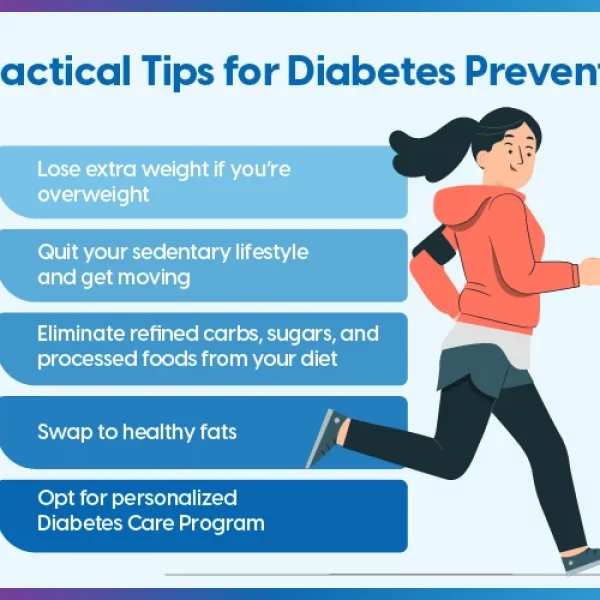
- Lifestyle changes: Making healthy lifestyle changes, such as following a balanced diet, exercising regularly, and losing weight, can help prevent or delay the onset of diabetes.
- Regular monitoring: Monitor your blood sugar levels regularly and see your healthcare provider for checkups.
- Medication: In some cases, your healthcare provider may recommend medication to help prevent diabetes.
Maintaining safe blood sugar levels can help you:
Key Takeaway: Blood sugar safety is a cornerstone of good health. Understanding how to manage your blood sugar levels can significantly improve your quality of life and prevent serious health problems.

Understanding Blood Sugar Levels: What’s Normal?
Knowing your target blood sugar range is the first step in maintaining blood sugar safety. These ranges can vary depending on individual factors, such as age, overall health, and the presence of diabetes. It’s always best to consult with your healthcare provider to determine your personalized target range. However, here’s a general guideline:
Note: These are general guidelines. Your healthcare provider may recommend different targets based on your individual needs.
Factors that can affect blood sugar levels:
Actionable Tip: Regularly monitor your blood sugar levels, especially if you have diabetes or pre-diabetes. Keeping a log of your readings can help you identify patterns and adjust your lifestyle or medication accordingly.

Recognizing Hypoglycemia (Low Blood Sugar)
Hypoglycemia occurs when your blood sugar drops too low, typically below 70 mg/dL. It can happen suddenly and can be dangerous if left untreated.
Common symptoms of hypoglycemia include:
Causes of hypoglycemia:
The 15-15 Rule for Treating Hypoglycemia:
If you experience symptoms of hypoglycemia, follow the 15-15 rule:
When to seek medical help:
Important Note: If you have diabetes, always carry a source of fast-acting carbohydrates with you in case of hypoglycemia. Educate your family and friends about the symptoms of hypoglycemia and how to treat it.

Recognizing Hyperglycemia (High Blood Sugar)
Hyperglycemia occurs when your blood sugar levels are too high, typically above 180 mg/dL after eating or above 130 mg/dL before eating.
Common symptoms of hyperglycemia include:
Causes of hyperglycemia:
Managing Hyperglycemia:
When to seek medical help:
Key Takeaway: Recognizing the symptoms of both hypoglycemia and hyperglycemia is crucial for prompt treatment and preventing serious complications. Regular blood sugar monitoring and close communication with your healthcare provider are essential for managing blood sugar safely.
Lifestyle Strategies for Blood Sugar Safety
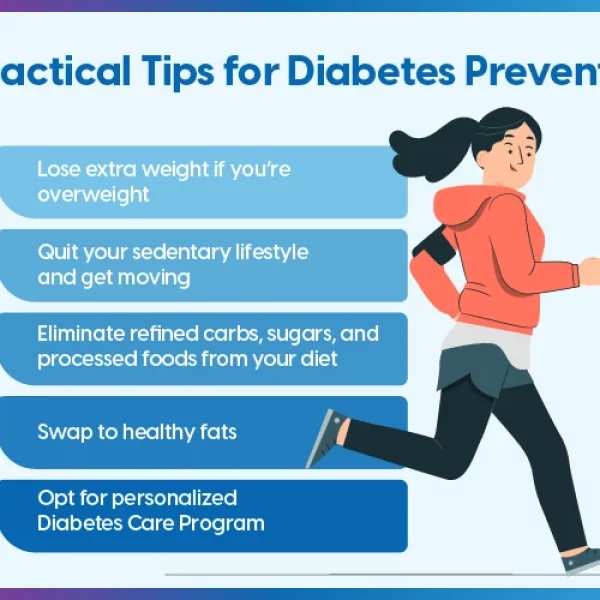
Making healthy lifestyle choices is a cornerstone of blood sugar safety, whether you have diabetes or not. These strategies can help you maintain stable blood sugar levels and improve your overall health.
1. Balanced Diet
* Focus on complex carbohydrates: Choose whole grains, fruits, vegetables, and legumes over refined grains and sugary foods.
2. Regular Physical Activity
* Aim for at least 150 minutes of moderate-intensity exercise per week: This could include brisk walking, cycling, swimming, or dancing.
3. Stress Management
* Practice relaxation techniques: Meditation, yoga, deep breathing exercises, and spending time in nature can help reduce stress.
4. Weight Management
* Maintain a healthy weight: If you are overweight or obese, losing even a small amount of weight can improve insulin sensitivity and blood sugar control.
5. Regular Blood Sugar Monitoring
* Check your blood sugar as often as recommended by your healthcare provider: This is especially important if you have diabetes or pre-diabetes.
6. Medication Adherence
* Take your medications as prescribed by your healthcare provider: Don’t skip doses or change your dosage without consulting your doctor.
Actionable Tip: Start small and make gradual changes to your lifestyle. Focus on one or two areas at a time, and celebrate your successes along the way. Remember, even small improvements can make a big difference in your blood sugar control and overall health.
The Role of Technology in Blood Sugar Safety
Technology plays an increasingly important role in blood sugar management, offering tools that can help you monitor your levels, track your progress, and make informed decisions about your health.
1. Continuous Glucose Monitors (CGMs)
CGMs are small devices that continuously track your blood sugar levels throughout the day and night. They consist of a sensor inserted under the skin and a transmitter that sends data to a receiver or smartphone app.
Benefits of CGMs:
2. Insulin Pumps
Insulin pumps are small, computerized devices that deliver insulin continuously throughout the day and night. They consist of a pump, a reservoir of insulin, and a thin tube called an infusion set that is inserted under the skin.
Benefits of Insulin Pumps:
3. Smartphone Apps
There are many smartphone apps available that can help you manage your blood sugar. These apps can track your blood sugar readings, food intake, exercise, and medications. They can also provide personalized insights and recommendations.
Features of Blood Sugar Management Apps:
Recommended External Link: Consider exploring resources like the American Diabetes Association (https://www.diabetes.org/) for more information on diabetes management technologies.
Key Takeaway: Technology can be a powerful tool for blood sugar management. Talk to your healthcare provider about whether a CGM, insulin pump, or smartphone app is right for you.
Blood Sugar Safety for Specific Populations
While the general principles of blood sugar safety apply to everyone, certain populations may have unique considerations.
1. Children with Diabetes
Managing blood sugar in children with diabetes requires a collaborative effort between parents, caregivers, and healthcare providers.
Key Considerations:
2. Pregnant Women with Diabetes
Gestational diabetes, which develops during pregnancy, can increase the risk of complications for both the mother and the baby.
Key Considerations:
3. Older Adults with Diabetes
Older adults with diabetes may have other health conditions that can make blood sugar management more challenging.
Key Considerations:
4. Individuals with Pre-diabetes
Pre-diabetes is a condition in which blood sugar levels are higher than normal but not high enough to be diagnosed as diabetes.
Key Considerations:
Internal Link Suggestion: Consider linking to another article on your site that discusses “Diabetes Prevention Strategies” using that phrase as anchor text.
Key Takeaway: Blood sugar safety is important for everyone, but specific populations may require tailored approaches. Consult with your healthcare provider to develop a personalized plan that meets your individual needs.
Conclusion: Taking Control of Your Blood Sugar Safety
Blood sugar safety is a lifelong journey that requires knowledge, commitment, and ongoing support. By understanding the importance of blood sugar control, recognizing the symptoms of hypoglycemia and hyperglycemia, adopting healthy lifestyle habits, and utilizing technology, you can take control of your health and prevent
Leave a Reply