Tag: safety

  • Navigating Blood Sugar Safety: The Ultimate Guide to Balanced Health and Well-being

    Navigating Blood Sugar Safety: A Comprehensive Guide to Staying Balanced and Healthy

    Maintaining stable blood sugar levels is crucial for overall health and well-being. Think of your blood sugar as the fuel gauge for your body – too high or too low, and things just won’t run smoothly. This comprehensive guide will walk you through everything you need to know about blood sugar safety, from understanding the basics to implementing practical strategies for keeping your levels in a healthy range. We’ll cover the importance of blood sugar, common conditions related to imbalances, practical tips for managing your levels, and when to seek professional help. So, let’s dive in and empower you to take control of your blood sugar and your health!

    Understanding Blood Sugar Basics

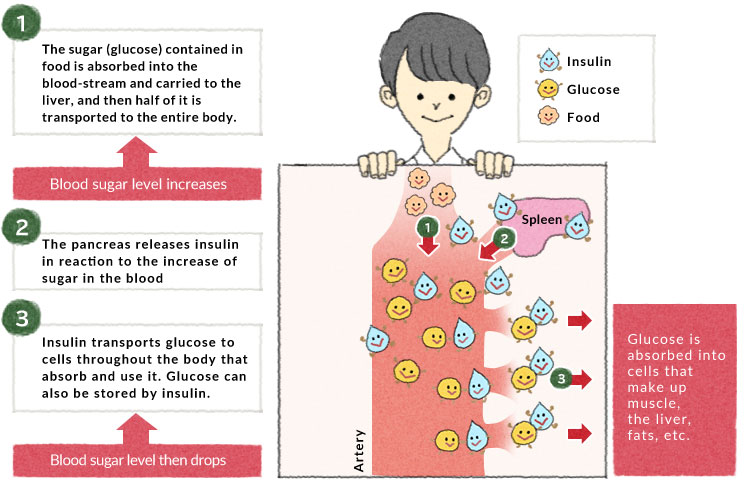
    Before we delve into safety, let’s establish a solid understanding of what blood sugar actually is. Blood sugar, or glucose, is the primary source of energy for your body. It comes from the food you eat, particularly carbohydrates. After you eat, your digestive system breaks down carbohydrates into glucose, which then enters your bloodstream.
    The Role of Insulin

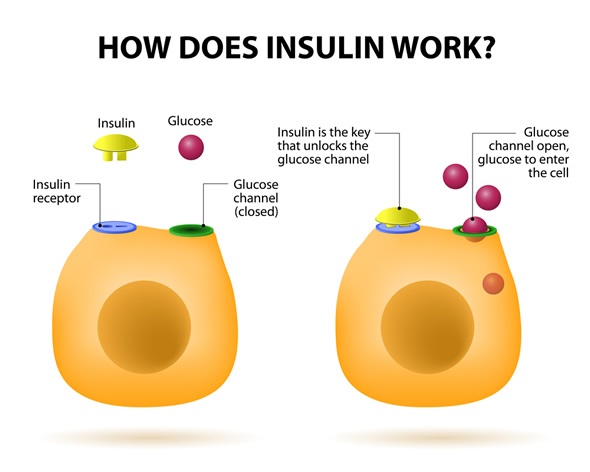
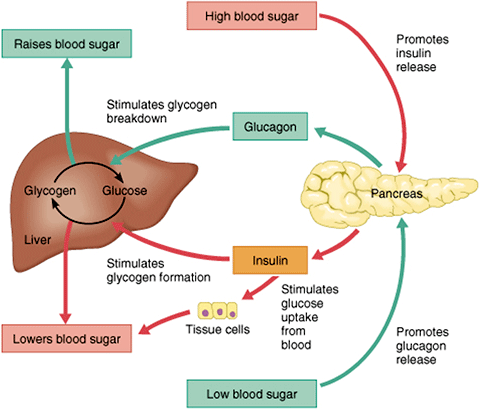
    Now, here’s where insulin comes into play. Insulin is a hormone produced by your pancreas. Its main job is to act like a key, unlocking your cells to allow glucose to enter and be used for energy. Without insulin, glucose would just float around in your bloodstream, unable to fuel your cells.

    Normal Blood Sugar Ranges

    Maintaining blood sugar within a normal range is essential for optimal health. Generally, normal blood sugar levels are:

      1. Fasting (before eating): 70-100 mg/dL
      2. 2 hours after eating: Less than 140 mg/dL
      3. These ranges can vary slightly depending on individual factors and testing methods, so it’s always best to consult with your healthcare provider for personalized guidance.
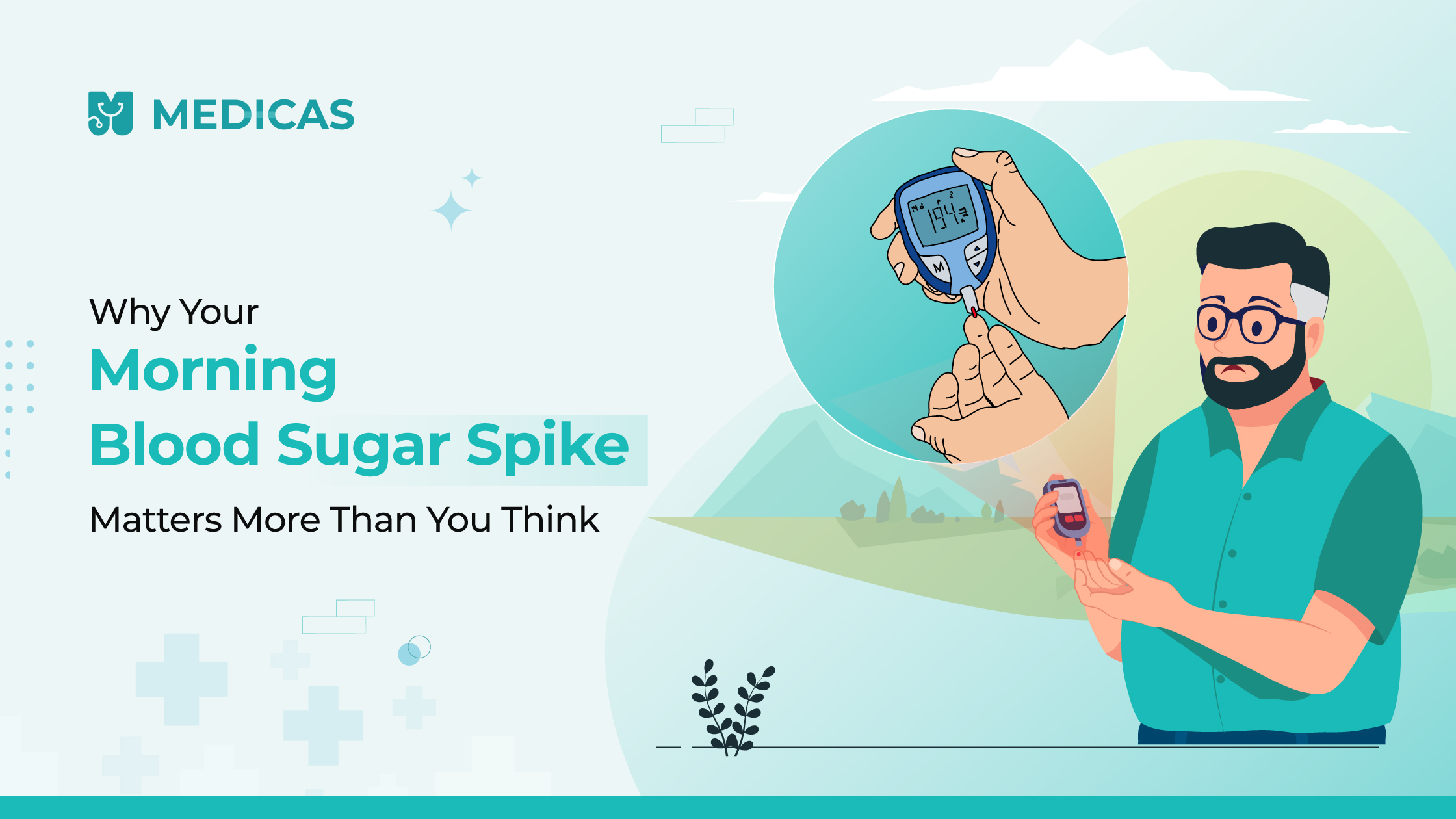
        Why Blood Sugar Matters
        Source: medicasapp.com

        Why Blood Sugar Matters

        Why all the fuss about keeping blood sugar levels in check? Well, consistently high or low blood sugar can lead to a host of health problems. Think of it like this: constantly revving your car engine too high or letting it run on empty – it’s not sustainable and will eventually cause damage.

        Common Conditions Related to Blood Sugar Imbalances
        Source: www.hnl.com

        Common Conditions Related to Blood Sugar Imbalances

        When blood sugar levels are consistently outside the normal range, it can lead to several health conditions. Let’s explore some of the most common ones:

        Hyperglycemia (High Blood Sugar)

        Hyperglycemia occurs when there’s too much glucose in the blood. This can happen if your body doesn’t produce enough insulin, or if your cells become resistant to insulin’s effects. Common causes include:

      4. Diabetes (Type 1 and Type 2)
      5. Overeating
      6. Lack of physical activity
      7. Illness or infection
      8. Certain medications
      9. Symptoms of Hyperglycemia:

      10. Increased thirst
      11. Frequent urination
      12. Blurred vision
      13. Fatigue
      14. Slow-healing sores
      15. Headaches
      16. Long-Term Risks:

        If left unmanaged, chronic hyperglycemia can lead to serious complications, including:

      17. Heart disease
      18. Kidney disease
      19. Nerve damage (neuropathy)
      20. Eye damage (retinopathy)
      21. Increased risk of infections
      22. Hypoglycemia (Low Blood Sugar)

        Hypoglycemia occurs when blood sugar levels drop too low. This can happen if you take too much insulin, skip meals, or exercise intensely without enough fuel.

        Common Causes:

      23. Excessive insulin dosage
      24. Skipping or delaying meals
      25. Intense exercise
      26. Alcohol consumption (especially on an empty stomach)
      27. Certain medications
      28. Symptoms of Hypoglycemia:

      29. Shakiness
      30. Sweating
      31. Dizziness
      32. Confusion
      33. Irritability
      34. Rapid heartbeat
      35. Hunger
      36. Blurred vision
      37. Seizures (in severe cases)
      38. Loss of consciousness (in severe cases)
      39. Immediate Action:

        Hypoglycemia requires immediate action. The “15-15 rule” is a helpful guideline:

      40. Check your blood sugar: If it’s below 70 mg/dL, proceed to step 2.
      41. Consume 15 grams of fast-acting carbohydrates: Examples include glucose tablets, fruit juice, regular soda (not diet), or hard candies.
      42. Wait 15 minutes: Recheck your blood sugar.
      43. Repeat if necessary: If your blood sugar is still below 70 mg/dL, repeat steps 2 and 3.
      44. Eat a meal or snack: Once your blood sugar is above 70 mg/dL, eat a meal or snack to stabilize your levels and prevent another drop.
      45. When to Seek Emergency Help:

        If someone with hypoglycemia becomes unconscious or has a seizure, it’s crucial to seek immediate medical attention. Glucagon, a hormone that raises blood sugar levels, can be administered in these situations.

        Prediabetes

        Prediabetes is a condition where blood sugar levels are higher than normal but not high enough to be diagnosed as type 2 diabetes. It’s often considered a warning sign that diabetes may develop in the future.

        Risk Factors:

      46. Family history of diabetes
      47. Overweight or obesity
      48. Physical inactivity
      49. Age 45 or older
      50. High blood pressure
      51. Abnormal cholesterol levels
      52. Gestational diabetes (diabetes during pregnancy)
      53. Importance of Early Detection:

        The good news is that prediabetes is often reversible with lifestyle changes. Losing weight, eating a healthy diet, and getting regular exercise can help lower blood sugar levels and prevent the progression to type 2 diabetes.

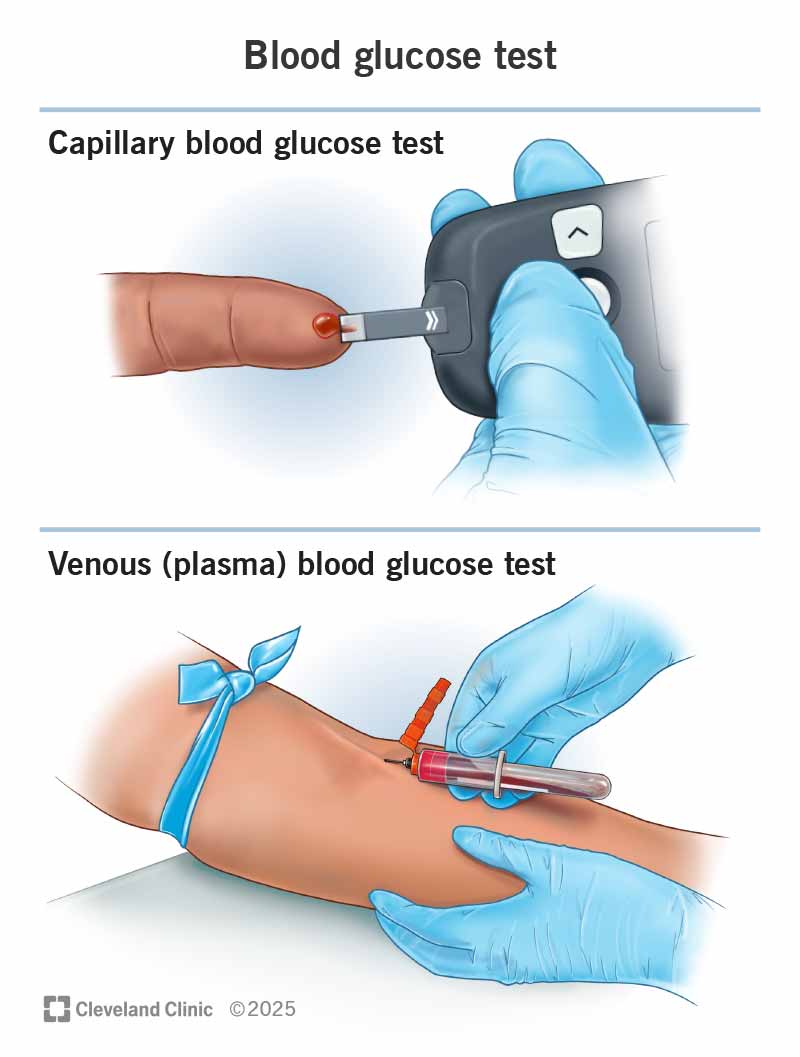
        Gestational Diabetes

        Gestational diabetes develops during pregnancy in women who didn’t have diabetes before. It’s caused by hormonal changes that make it harder for the body to use insulin effectively.

        Risks to Mother and Baby:

        Gestational diabetes can increase the risk of complications during pregnancy and delivery, including:

      54. High blood pressure
      55. Preeclampsia
      56. Large birth weight (macrosomia)
      57. Increased risk of cesarean delivery
      58. Increased risk of developing type 2 diabetes later in life for the mother
      59. Increased risk of obesity and type 2 diabetes for the child later in life
      60. Management:

        Managing gestational diabetes typically involves:

      61. Dietary changes
      62. Regular exercise
      63. Blood sugar monitoring
      64. In some cases, insulin therapy
      65. Practical Tips for Managing Blood Sugar Levels

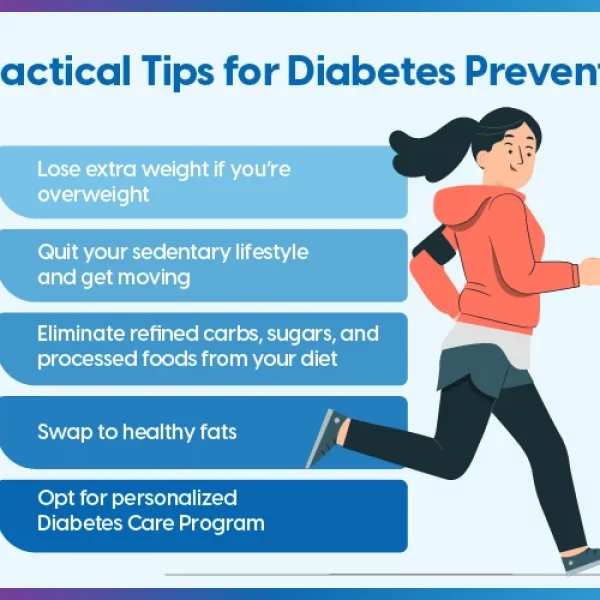
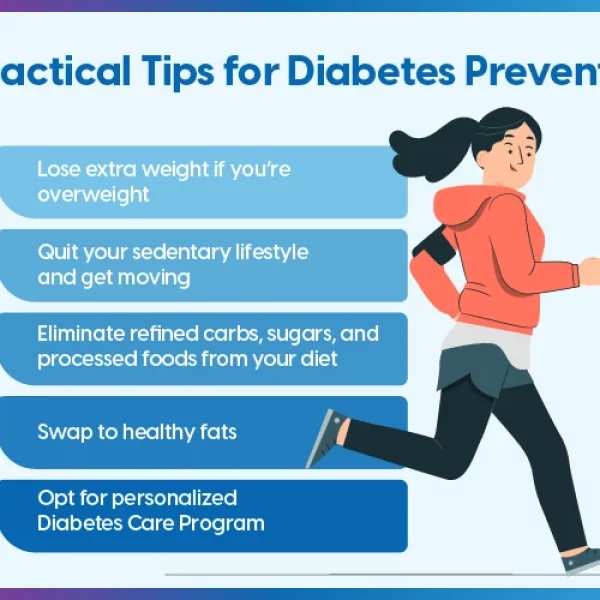
        Now that we’ve covered the basics and common conditions, let’s move on to practical strategies for managing your blood sugar levels and staying safe.

        1. Embrace a Balanced Diet

        A healthy diet is the cornerstone of blood sugar management. Focus on:

      66. Whole Grains: Choose whole grains like brown rice, quinoa, and whole-wheat bread over refined grains like white bread and white rice. Whole grains are digested more slowly, leading to a more gradual rise in blood sugar.
      67. Lean Proteins: Include lean protein sources like chicken, fish, beans, and lentils in your meals. Protein helps stabilize blood sugar levels and keeps you feeling full.
      68. Healthy Fats: Incorporate healthy fats like avocados, nuts, seeds, and olive oil into your diet. These fats can improve insulin sensitivity and help regulate blood sugar.
      69. Fruits and Vegetables: Load up on a variety of colorful fruits and vegetables. They’re packed with fiber, vitamins, and minerals, and have a lower impact on blood sugar than processed foods. Be mindful of portion sizes with fruits, as they do contain natural sugars.
      70. Limit Sugary Drinks and Processed Foods: Avoid sugary drinks like soda, juice, and sweetened tea, as they can cause rapid spikes in blood sugar. Also, limit your intake of processed foods, which are often high in unhealthy fats, sugar, and sodium.
      71. Example Meal Plan:

      72. Breakfast: Oatmeal with berries and nuts, a side of Greek yogurt
      73. Lunch: Salad with grilled chicken or chickpeas, avocado, and a vinaigrette dressing
      74. Dinner: Baked salmon with roasted vegetables (broccoli, carrots, and sweet potatoes)
      75. Snacks: Apple slices with almond butter, a handful of almonds, or a small serving of Greek yogurt
      76. 2. Get Moving with Regular Exercise

        Physical activity is a powerful tool for managing blood sugar. Exercise helps improve insulin sensitivity, meaning your body can use insulin more effectively to transport glucose into your cells.

      77. Aim for at least 150 minutes of moderate-intensity exercise per week: This could include brisk walking, cycling, swimming, or dancing.
      78. Incorporate strength training exercises at least twice a week: Strength training helps build muscle mass, which can improve insulin sensitivity and help regulate blood sugar.
      79. Find activities you enjoy: The key to sticking with an exercise routine is to find activities you genuinely enjoy. Whether it’s hiking, yoga, or playing a sport, choose activities that you look forward to.
      80. Monitor your blood sugar before, during, and after exercise: This will help you understand how exercise affects your blood sugar levels and adjust your food intake or insulin dosage accordingly.
      81. 3. Monitor Your Blood Sugar Regularly

        Regular blood sugar monitoring is essential for understanding how your body responds to food, exercise, and medication.

      82. Use a blood glucose meter: A blood glucose meter is a small device that measures the amount of glucose in your blood. You’ll need to prick your finger with a lancet to obtain a small blood sample, which you then apply to a test strip that is inserted into the meter.
      83. Follow your healthcare provider’s recommendations for testing frequency: The frequency of blood sugar monitoring will vary depending on your individual needs and treatment plan. Some people may need to check their blood sugar several times a day, while others may only need to check it once a day or less.
      84. Keep a log of your blood sugar readings: This will help you track your progress and identify patterns or trends. Share your log with your healthcare provider so they can make adjustments to your treatment plan as needed.
      85. Consider Continuous Glucose Monitoring (CGM): A CGM is a device that continuously monitors your blood sugar levels throughout the day and night. It consists of a small sensor that is inserted under your skin and transmits data to a receiver or smartphone. CGMs can provide valuable insights into how your blood sugar levels fluctuate in response to different factors, such as food, exercise, and stress.
      86. 4. Manage Stress Effectively

        Stress can have a significant impact on blood sugar levels. When you’re stressed, your body releases hormones like cortisol and adrenaline, which can raise blood sugar.

      87. Practice relaxation techniques: Techniques like deep breathing, meditation, and yoga can help reduce stress and lower blood sugar levels.
      88. Get enough sleep: Aim for 7-8 hours of sleep per night. Lack of sleep can increase stress hormones and negatively affect blood sugar control.
      89. Engage in enjoyable activities: Make time for hobbies and activities that you find relaxing and enjoyable. This could include reading, listening to music, spending time in nature, or pursuing a creative outlet.
      90. Seek support: Talk to a therapist, counselor, or support group if you’re struggling to manage stress.
      91. 5. Stay Hydrated

        Drinking enough water is crucial for overall health and can also help regulate blood sugar levels.

      92. Aim for at least 8 glasses of water per day: Water helps flush out excess glucose from the body and keeps you feeling hydrated.
      93. Avoid sugary drinks: As mentioned earlier, sugary drinks can cause rapid spikes in blood sugar. Stick to water, unsweetened tea, or other low-calorie beverages.
      94. 6. Monitor Alcohol Consumption

        Alcohol can affect blood sugar levels in unpredictable ways. It can initially cause blood sugar to rise, but then lead to a drop in blood sugar later on.

      95. Drink alcohol in moderation: If you choose to drink alcohol, do so in moderation. This means no more than one drink per day for women and no more than two drinks per day for men.
      96. Eat food when drinking alcohol: Eating food while drinking alcohol can help slow down the absorption of alcohol and prevent blood sugar from dropping too low.
      97. Monitor your blood sugar levels: Check your blood sugar levels before, during, and after drinking alcohol to see how it affects you.
      98. 7. Be Mindful of Medications

        Certain medications can affect blood sugar levels.

      99. Talk to your healthcare provider about any medications you’re taking: This includes prescription medications, over-the-counter medications, and supplements.
      100. Be aware of the potential side effects of your medications: Some medications, such as steroids and certain antidepressants, can raise blood sugar levels.
      101. Follow your healthcare provider’s instructions carefully: Take your medications as prescribed and don’t change the dosage without talking to your healthcare provider first.
      102. 8. Plan Ahead for Travel

        Traveling can disrupt your routine and make it challenging to manage your blood sugar.

      103. Pack your medications and supplies: Make sure you have enough medication and supplies to last for the entire trip.
      104. Bring snacks: Pack healthy snacks to prevent low blood sugar.
      105. Stay active: Try to maintain your exercise routine as much as possible.
      106. Monitor your blood sugar levels more frequently: Check your blood sugar levels more often than usual to see how travel affects you.
      107. When to Seek Professional Help

        While many aspects of blood sugar management can be handled through lifestyle adjustments, there are times when professional medical advice is essential.

      108. If you experience frequent or severe episodes of hypoglycemia or hyperglycemia: This could indicate that your treatment plan needs adjustment.
      109. If you have symptoms of diabetes: Increased thirst, frequent urination, unexplained weight loss, and fatigue are all potential signs of diabetes.
      110. If you have risk factors for diabetes: Family history, obesity, and physical inactivity increase your risk of developing diabetes.
      111. If you’re pregnant or planning to become pregnant: Gestational diabetes requires specialized care.
      112. If you have any concerns about your blood sugar levels or your overall health: Don’t hesitate to reach out to your healthcare provider for guidance.
      113. Internal Linking Opportunities

        To further enhance user experience and SEO, here are some internal linking opportunities:

      114. Anchor Text: “Symptoms of Hyperglycemia” -> Link to the section discussing hyperglycemia symptoms.
      115. Anchor Text: “15-15 rule” -> Link to the section explaining the 15-15 rule for hypoglycemia.
      116. Anchor Text: “Continuous Glucose Monitoring (CGM)” -> Link to the section explaining CGM.
      117. Anchor Text: “healthy diet” -> Link to the section on embracing a balanced diet.
      118. Anchor Text: “regular exercise” -> Link to the section on getting moving with regular exercise.
      119. External Linking Opportunities

        To provide additional resources and credibility, here are some external linking opportunities:

      120. American Diabetes Association (ADA): Link to the ADA website for comprehensive information on diabetes. Use anchor text like “American Diabetes Association” or “diabetes resources.” Attribute link with “rel=noopener” to ensure security.
      121. https://www.diabetes.org/
      122. National Institute of Diabetes and Digestive and Kidney Diseases (NIDDK): Link to the NIDDK website for research and information on diabetes and related conditions. Use anchor text like “NIDDK” or “diabetes research.” Attribute link with “rel=noopener” to ensure security.
      123. https://www.niddk.nih.gov/
      124. Centers for Disease Control and Prevention (CDC): Link to the CDC website for information on diabetes prevention and management. Use anchor text like “CDC diabetes information” or “diabetes prevention.” Attribute link with “rel=noopener” to ensure security.
      125. https://www.cdc.gov/diabetes/index.html

    Conclusion: Empowering You to Take Control

    Managing your blood sugar levels is a lifelong journey, but it’s one that’s well worth the effort. By understanding the basics of blood sugar, recognizing the signs of imbalances, and implementing practical strategies for staying balanced, you can empower yourself to take control of your health and well-being. Remember, small changes can make a big difference. Start with one or two of the tips we’ve discussed today and gradually incorporate more as you become comfortable. And don’t hesitate to reach out to your healthcare provider for personalized guidance and support. Your health is your greatest asset – invest in it wisely!
  • Navigating Blood Sugar Safety: Expert Tips for Balancing Levels and Improving Health

    Navigating Blood Sugar Safety: Expert Tips for Balancing Levels and Improving Health

    Navigating Blood Sugar Safety: Your Comprehensive Guide to Staying Balanced and Healthy

    Maintaining stable blood sugar levels is crucial for overall health and well-being. Whether you’re managing diabetes, pre-diabetes, or simply aiming for a healthier lifestyle, understanding blood sugar safety is essential. This guide will walk you through the ins and outs of blood sugar, offering practical tips, lifestyle adjustments, and strategies to keep your levels balanced and help you feel your best. Let’s dive in and explore how to navigate blood sugar safety together!

    Understanding Blood Sugar: The Basics

    Before we delve into safety measures, let’s establish a foundational understanding of what blood sugar is and why it matters.

    What is Blood Sugar?

    Blood sugar, or glucose, is the primary source of energy for your body. It comes from the food you eat, and your bloodstream carries it to cells throughout your body to provide fuel. Insulin, a hormone produced by the pancreas, helps glucose enter these cells.

    Why is Blood Sugar Important?

    Maintaining balanced blood sugar levels is vital for several reasons:

      1. Energy Levels: Stable blood sugar provides consistent energy, preventing energy crashes and fatigue.
      2. Organ Function: Proper blood sugar control supports the optimal function of vital organs like the brain, heart, and kidneys.
      3. Disease Prevention: Keeping blood sugar in a healthy range reduces the risk of developing type 2 diabetes, heart disease, and other chronic conditions.
      4. Normal Blood Sugar Ranges

        Understanding normal blood sugar ranges is the first step in ensuring your safety. Here’s a general guideline:

      5. Fasting Blood Sugar: 70-100 mg/dL
      6. Postprandial (2 hours after eating): Less than 140 mg/dL
      7. HbA1c: Less than 5.7%
      8. Note: These ranges can vary depending on individual health conditions and should be discussed with your healthcare provider.

        Recognizing the Dangers: High and Low Blood Sugar

        Both high and low blood sugar levels can pose significant health risks. Recognizing the symptoms and understanding the potential dangers is crucial for taking timely action.

        Hyperglycemia (High Blood Sugar)

        Hyperglycemia occurs when there’s too much glucose in the blood. This can happen if your body doesn’t produce enough insulin or if your cells become resistant to insulin.

        Symptoms of Hyperglycemia:

      9. Frequent urination
      10. Increased thirst
      11. Blurred vision
      12. Fatigue
      13. Slow-healing sores
      14. Dangers of Hyperglycemia:

      15. Diabetic Ketoacidosis (DKA): A life-threatening condition caused by a buildup of ketones in the blood.
      16. Hyperosmolar Hyperglycemic State (HHS): A severe condition characterized by extremely high blood sugar and dehydration.
      17. Long-Term Complications: Nerve damage (neuropathy), kidney damage (nephropathy), and eye damage (retinopathy).
      18. Hypoglycemia (Low Blood Sugar)

        Hypoglycemia occurs when blood sugar levels drop too low. This can happen if you take too much insulin, skip meals, or engage in intense physical activity without adjusting your medication or food intake.

        Symptoms of Hypoglycemia:

      19. Shakiness
      20. Sweating
      21. Dizziness
      22. Confusion
      23. Irritability
      24. Rapid heartbeat
      25. Dangers of Hypoglycemia:

      26. Seizures: Severe hypoglycemia can lead to seizures and loss of consciousness.
      27. Brain Damage: Prolonged low blood sugar can deprive the brain of essential energy, leading to cognitive impairment.
      28. Coma: In extreme cases, hypoglycemia can result in a coma.
      29. Key Takeaway: Recognizing the symptoms of both high and low blood sugar is crucial for timely intervention and preventing serious health complications. Always consult with your healthcare provider for personalized advice and treatment.

        Practical Tips for Maintaining Blood Sugar Safety

        Now that we understand the basics and the potential dangers, let’s explore practical tips for maintaining blood sugar safety. These strategies encompass dietary adjustments, lifestyle changes, and monitoring techniques.

        Dietary Strategies

        What you eat plays a significant role in regulating blood sugar levels. Here are some dietary strategies to consider:

      30. Focus on Complex Carbohydrates: Choose whole grains, vegetables, and legumes over processed foods and sugary drinks. Complex carbs are digested slowly, providing a steady release of glucose into the bloodstream.
      31. Prioritize Fiber: High-fiber foods like fruits, vegetables, and whole grains help slow down glucose absorption, preventing rapid spikes in blood sugar.
      32. Include Lean Protein: Protein helps stabilize blood sugar levels and keeps you feeling full longer. Good sources include chicken, fish, beans, and tofu.
      33. Healthy Fats: Incorporate healthy fats like avocados, nuts, and olive oil into your diet. These fats can improve insulin sensitivity and support overall health.
      34. Limit Sugary Drinks and Processed Foods: Sugary drinks and processed foods can cause rapid spikes in blood sugar. Minimize your intake of these items to maintain stable levels.
      35. Lifestyle Adjustments

        In addition to dietary changes, certain lifestyle adjustments can significantly impact blood sugar control.

      36. Regular Exercise: Physical activity helps improve insulin sensitivity and lowers blood sugar levels. Aim for at least 150 minutes of moderate-intensity exercise per week.
      37. Stress Management: Stress can raise blood sugar levels. Practice stress-reduction techniques like meditation, yoga, or deep breathing exercises.
      38. Adequate Sleep: Lack of sleep can disrupt hormone levels and affect blood sugar control. Aim for 7-9 hours of quality sleep each night.
      39. Hydration: Drink plenty of water throughout the day to help your kidneys flush out excess glucose.
      40. Monitoring Techniques

        Regular monitoring is essential for understanding how your body responds to different foods, activities, and medications.

      41. Blood Glucose Meter: Use a blood glucose meter to check your blood sugar levels regularly. Follow your healthcare provider’s recommendations for testing frequency and timing.
      42. Continuous Glucose Monitoring (CGM): A CGM device tracks your blood sugar levels in real-time, providing valuable insights into trends and patterns.
      43. HbA1c Testing: This blood test provides an average of your blood sugar levels over the past 2-3 months. It’s a valuable tool for assessing long-term blood sugar control.
      44. Internal Link Suggestion: For more information on continuous glucose monitoring, link to a relevant article on your website using the anchor text “CGM devices.”

        Creating a Blood Sugar Safety Plan

        A well-thought-out blood sugar safety plan is crucial for managing your health effectively. Here’s how to create one:

        Step 1: Consult with Your Healthcare Provider

        Work closely with your doctor, diabetes educator, and registered dietitian to develop a personalized plan that meets your specific needs.

        Step 2: Set Realistic Goals

        Establish achievable goals for blood sugar levels, diet, exercise, and other lifestyle factors.

        Step 3: Develop a Meal Plan

        Create a detailed meal plan that includes balanced meals and snacks. Consider working with a registered dietitian to ensure your plan is nutritionally sound and tailored to your needs.

        Step 4: Establish an Exercise Routine

        Design an exercise routine that you enjoy and can stick with long-term. Incorporate both aerobic and strength-training exercises for optimal benefits.

        Step 5: Learn How to Manage Stress

        Identify your stress triggers and develop coping strategies. Techniques like mindfulness, yoga, and spending time in nature can be helpful.

        Step 6: Monitor Your Blood Sugar Regularly

        Keep a log of your blood sugar readings and note any patterns or trends. Share this information with your healthcare provider to make informed decisions about your treatment plan.

        Step 7: Know How to Treat Hypoglycemia

        Always carry a fast-acting source of glucose, such as glucose tablets or juice, in case your blood sugar drops too low. Follow the “15-15 rule”: Consume 15 grams of carbohydrates, wait 15 minutes, and then recheck your blood sugar.

        Step 8: Understand When to Seek Medical Attention

        Know the signs and symptoms of serious blood sugar imbalances and when to seek immediate medical attention.

        Example: John, a 55-year-old with type 2 diabetes, worked with his healthcare team to create a blood sugar safety plan. He set a goal to walk for 30 minutes each day, follow a low-carb meal plan, and monitor his blood sugar levels twice daily. By adhering to his plan, John successfully lowered his HbA1c from 7.5% to 6.2% and improved his overall health.

        Blood Sugar Safety in Specific Situations

        Blood sugar management can be particularly challenging in certain situations. Here’s how to navigate some common scenarios:

        Traveling

        * Pack Smart: Carry all your medications, testing supplies, and snacks in your carry-on luggage.

      45. Plan Ahead: Research local healthcare facilities and pharmacies in case you need medical assistance.
      46. Adjust Insulin: Consult with your healthcare provider about adjusting your insulin dosage based on time zone changes and activity levels.
      47. Exercise

        * Check Blood Sugar: Monitor your blood sugar before, during, and after exercise.

      48. Carry Snacks: Keep a source of fast-acting carbohydrates on hand to prevent hypoglycemia.
      49. Adjust Insulin: If you take insulin, you may need to adjust your dosage before exercise to prevent low blood sugar.
      50. Illness

        * Stay Hydrated: Drink plenty of fluids to prevent dehydration.

      51. Monitor Blood Sugar: Check your blood sugar more frequently than usual.
      52. Adjust Medications: Consult with your healthcare provider about adjusting your medication dosages if you’re unable to eat or are experiencing vomiting or diarrhea.
      53. Special Occasions

        * Plan Ahead: If you’re attending a party or holiday gathering, plan your meals and snacks in advance.

      54. Make Healthy Choices: Choose lower-carb options and limit your intake of sugary drinks and desserts.
      55. Don’t Skip Meals: Skipping meals can lead to blood sugar imbalances.
      56. External Link Suggestion: Link to the American Diabetes Association’s website using the anchor text “diabetes resources” for additional information on managing diabetes in various situations.

        Debunking Common Myths About Blood Sugar

        There are many misconceptions about blood sugar and diabetes. Let’s debunk some common myths:

      57. Myth: Eating too much sugar causes diabetes.
      58. Fact: Type 1 diabetes is an autoimmune condition, while type 2 diabetes is influenced by genetics, lifestyle factors, and insulin resistance.
      59. Myth: People with diabetes can’t eat any sugar.
      60. Fact: People with diabetes can enjoy small amounts of sugar as part of a balanced meal plan.
      61. Myth: Diabetes is not a serious condition.
      62. Fact: Diabetes can lead to serious complications if not managed properly.
      63. Myth: Only overweight people develop type 2 diabetes.
      64. Fact: While obesity is a risk factor, people of all sizes can develop type 2 diabetes.
      65. Key Takeaway: Staying informed and relying on credible sources can help you make informed decisions about your health and well-being.

        The Role of Technology in Blood Sugar Safety

        Technology has revolutionized the way we manage blood sugar. Here are some technological advancements that can enhance blood sugar safety:

      66. Continuous Glucose Monitors (CGMs): CGMs provide real-time blood sugar readings and alerts, helping you stay ahead of potential highs and lows.
      67. Insulin Pumps: Insulin pumps deliver a steady stream of insulin throughout the day, mimicking the way a healthy pancreas works.
      68. Smart Insulin Pens: These pens track insulin dosages and provide reminders, helping you stay on track with your medication.
      69. Mobile Apps: Numerous mobile apps are available to help you track your blood sugar, diet, exercise, and medications.
      70. Artificial Pancreas Systems: These systems automatically adjust insulin delivery based on real-time blood sugar readings, providing a closed-loop system for blood sugar control.
      71. Internal Link Suggestion: Link to a blog post discussing the latest advancements in diabetes technology using the anchor text “diabetes technology.”

        Frequently Asked Questions (FAQ) About Blood Sugar Safety

        Here are some frequently asked questions about blood sugar safety:

        Q: What should I do if my blood sugar is too high?

      72. A: If your blood sugar is high, drink plenty of water, avoid sugary drinks, and follow your healthcare provider’s recommendations for adjusting your medication.
      73. Q: What should I do if my blood sugar is too low?

      74. A: If your blood sugar is low, consume 15 grams of carbohydrates, wait 15 minutes, and then recheck your blood sugar. Repeat if necessary.
      75. Q: How often should I check my blood sugar?

      76. A: The frequency of blood sugar monitoring depends on your individual needs and treatment plan. Follow your healthcare provider’s recommendations.
      77. Q: Can stress affect my blood sugar?

      78. A: Yes, stress can raise blood sugar levels. Practice stress-reduction techniques to help manage your blood sugar.
      79. Q: What are the best foods for maintaining stable blood sugar?

      80. A: Focus on complex carbohydrates, fiber-rich foods, lean protein, and healthy fats.
      81. Q: Is exercise safe if I have diabetes?

      82. A: Yes, exercise is safe and beneficial for people with diabetes. However, it’s important to monitor your blood sugar and adjust your medication as needed.

    Conclusion: Empowering You to Take Control of Your Blood Sugar

    Navigating blood sugar safety is a journey that requires knowledge, commitment, and a proactive approach. By understanding the basics of blood sugar, recognizing the dangers of imbalances, and implementing practical strategies, you can take control of your health and well-being. Remember to consult with your healthcare provider to develop a personalized plan that meets your specific needs, and stay informed about the latest advancements in blood sugar management. Embrace a balanced lifestyle, prioritize self-care, and empower yourself to live a healthy and fulfilling life with stable blood sugar levels.

    Call to Action: Ready to take control of your blood sugar safety? Sign up for our newsletter to receive regular tips, updates, and exclusive content on managing your health effectively!

  • The Complete Guide to Blood Sugar Safety: Tips for Balancing Levels and Sustaining Health

    The Complete Guide to Blood Sugar Safety: Tips for Balancing Levels and Sustaining Health

    The Ultimate Guide to Blood Sugar Safety: Keeping Your Levels Balanced and Staying Healthy

    Maintaining stable blood sugar levels is crucial for overall health and well-being. Whether you’re managing diabetes, pre-diabetes, or simply striving for a healthier lifestyle, understanding blood sugar safety is essential. This comprehensive guide will provide you with the knowledge and tools you need to keep your blood sugar within a safe range, prevent complications, and live your best life.

    Why Blood Sugar Safety Matters

    Blood sugar, or glucose, is the primary source of energy for our bodies. It comes from the food we eat, and the hormone insulin helps transport glucose from the bloodstream into cells for energy. When blood sugar levels are consistently too high (hyperglycemia) or too low (hypoglycemia), it can lead to a range of health problems.

    Uncontrolled blood sugar can have serious consequences:

      1. Diabetes complications: Nerve damage (neuropathy), kidney damage (nephropathy), eye damage (retinopathy), cardiovascular disease, and foot problems.
      2. Increased risk of infections: High blood sugar can weaken the immune system.
      3. Cognitive impairment: Fluctuations in blood sugar can affect brain function.
      4. Increased risk of heart disease and stroke: Insulin resistance and high blood sugar contribute to cardiovascular problems.
      5. Weight gain: Insulin resistance can lead to increased fat storage.
      6. Maintaining safe blood sugar levels can help you:

      7. Prevent or delay diabetes complications.
      8. Improve energy levels and reduce fatigue.
      9. Enhance mood and cognitive function.
      10. Maintain a healthy weight.
      11. Reduce the risk of heart disease and stroke.
      12. Key Takeaway: Blood sugar safety is a cornerstone of good health. Understanding how to manage your blood sugar levels can significantly improve your quality of life and prevent serious health problems.

        Understanding Blood Sugar Levels: What’s Normal?

        Knowing your target blood sugar range is the first step in maintaining blood sugar safety. These ranges can vary depending on individual factors, such as age, overall health, and the presence of diabetes. It’s always best to consult with your healthcare provider to determine your personalized target range. However, here’s a general guideline:

      13. Fasting blood sugar (before eating):
      14. Normal: Less than 100 mg/dL
      15. Pre-diabetes: 100-125 mg/dL
      16. Diabetes: 126 mg/dL or higher
      17. Postprandial blood sugar (2 hours after eating):
      18. Normal: Less than 140 mg/dL
      19. Pre-diabetes: 140-199 mg/dL
      20. Diabetes: 200 mg/dL or higher
      21. A1C (average blood sugar over 2-3 months):
      22. Normal: Less than 5.7%
      23. Pre-diabetes: 5.7-6.4%
      24. Diabetes: 6.5% or higher
      25. Note: These are general guidelines. Your healthcare provider may recommend different targets based on your individual needs.

        Factors that can affect blood sugar levels:

      26. Food: The type and amount of carbohydrates you consume have the biggest impact on blood sugar.
      27. Physical activity: Exercise can lower blood sugar levels.
      28. Medications: Insulin and other diabetes medications can affect blood sugar.
      29. Stress: Stress hormones can raise blood sugar levels.
      30. Illness: Infections and other illnesses can affect blood sugar.
      31. Hormones: Hormonal changes, such as during menstruation or pregnancy, can impact blood sugar.
      32. Sleep: Lack of sleep can increase insulin resistance and raise blood sugar.
      33. Actionable Tip: Regularly monitor your blood sugar levels, especially if you have diabetes or pre-diabetes. Keeping a log of your readings can help you identify patterns and adjust your lifestyle or medication accordingly.

        Recognizing Hypoglycemia (Low Blood Sugar)

        Hypoglycemia occurs when your blood sugar drops too low, typically below 70 mg/dL. It can happen suddenly and can be dangerous if left untreated.

        Common symptoms of hypoglycemia include:

      34. Shakiness
      35. Sweating
      36. Dizziness or lightheadedness
      37. Confusion or difficulty concentrating
      38. Irritability or anxiety
      39. Rapid heartbeat
      40. Hunger
      41. Blurred vision
      42. Weakness
      43. Headache
      44. Seizures (in severe cases)
      45. Loss of consciousness (in severe cases)
      46. Causes of hypoglycemia:

      47. Taking too much insulin or other diabetes medications.
      48. Skipping meals or not eating enough carbohydrates.
      49. Exercising more intensely or for a longer duration than usual.
      50. Drinking alcohol, especially on an empty stomach.
      51. Kidney or liver problems.
      52. The 15-15 Rule for Treating Hypoglycemia:

        If you experience symptoms of hypoglycemia, follow the 15-15 rule:

      53. Check your blood sugar: If possible, test your blood sugar to confirm it’s below 70 mg/dL.
      54. Eat or drink 15 grams of fast-acting carbohydrates: Examples include:
      55. 4 ounces of juice or regular soda (not diet)
      56. 3-4 glucose tablets
      57. 1 tablespoon of honey or sugar
      58. Hard candies (check the label for carbohydrate content)
      59. Wait 15 minutes: Recheck your blood sugar after 15 minutes.
      60. Repeat if necessary: If your blood sugar is still below 70 mg/dL, repeat steps 2 and 3.
      61. Eat a meal or snack: Once your blood sugar is back to normal, eat a meal or snack containing protein and complex carbohydrates to prevent another drop.
      62. When to seek medical help:

      63. If you are unable to treat hypoglycemia on your own.
      64. If you lose consciousness or have a seizure.
      65. If you experience frequent episodes of hypoglycemia.
      66. Important Note: If you have diabetes, always carry a source of fast-acting carbohydrates with you in case of hypoglycemia. Educate your family and friends about the symptoms of hypoglycemia and how to treat it.

        Recognizing Hyperglycemia (High Blood Sugar)

        Hyperglycemia occurs when your blood sugar levels are too high, typically above 180 mg/dL after eating or above 130 mg/dL before eating.

        Common symptoms of hyperglycemia include:

      67. Frequent urination
      68. Increased thirst
      69. Blurred vision
      70. Fatigue
      71. Headache
      72. Slow-healing cuts or sores
      73. Dry, itchy skin
      74. Weight loss (unexplained)
      75. Increased hunger
      76. Causes of hyperglycemia:

      77. Not taking enough insulin or other diabetes medications.
      78. Eating too many carbohydrates.
      79. Being inactive.
      80. Stress.
      81. Illness or infection.
      82. Certain medications, such as steroids.
      83. Managing Hyperglycemia:

      84. Check your blood sugar more often: Monitor your blood sugar levels regularly to identify patterns and make adjustments to your treatment plan.
      85. Adjust your medication: If you have diabetes, your healthcare provider may need to adjust your insulin or other diabetes medication.
      86. Drink plenty of water: Staying hydrated can help flush out excess glucose from your system.
      87. Exercise: Physical activity can help lower blood sugar levels.
      88. Follow your meal plan: Stick to a balanced meal plan that limits carbohydrates and includes plenty of fiber, protein, and healthy fats.
      89. Manage stress: Practice stress-reduction techniques, such as meditation, yoga, or deep breathing exercises.
      90. When to seek medical help:

      91. If your blood sugar remains consistently high despite your efforts to manage it.
      92. If you develop symptoms of diabetic ketoacidosis (DKA), a serious complication of hyperglycemia. Symptoms of DKA include:
      93. Nausea and vomiting
      94. Stomach pain
      95. Fruity-smelling breath
      96. Rapid, deep breathing
      97. Confusion
      98. Key Takeaway: Recognizing the symptoms of both hypoglycemia and hyperglycemia is crucial for prompt treatment and preventing serious complications. Regular blood sugar monitoring and close communication with your healthcare provider are essential for managing blood sugar safely.

        Lifestyle Strategies for Blood Sugar Safety

        Making healthy lifestyle choices is a cornerstone of blood sugar safety, whether you have diabetes or not. These strategies can help you maintain stable blood sugar levels and improve your overall health.

        1. Balanced Diet

        * Focus on complex carbohydrates: Choose whole grains, fruits, vegetables, and legumes over refined grains and sugary foods.

      99. Limit sugary drinks: Avoid soda, juice, and sweetened beverages.
      100. Control portion sizes: Be mindful of how much you’re eating at each meal.
      101. Eat regularly: Don’t skip meals, and try to eat at consistent times each day.
      102. Include protein and healthy fats: These nutrients can help slow down the absorption of carbohydrates and keep you feeling full longer. Good sources include lean meats, poultry, fish, nuts, seeds, avocados, and olive oil.
      103. Increase fiber intake: Fiber can help regulate blood sugar levels. Good sources include fruits, vegetables, whole grains, and legumes.
      104. 2. Regular Physical Activity

        * Aim for at least 150 minutes of moderate-intensity exercise per week: This could include brisk walking, cycling, swimming, or dancing.

      105. Include strength training exercises at least twice a week: Strength training can help improve insulin sensitivity and build muscle mass.
      106. Break up long periods of sitting: Get up and move around every 30 minutes.
      107. Monitor your blood sugar before, during, and after exercise: Exercise can lower blood sugar levels, so it’s important to be aware of how your body responds.
      108. 3. Stress Management

        * Practice relaxation techniques: Meditation, yoga, deep breathing exercises, and spending time in nature can help reduce stress.

      109. Get enough sleep: Aim for 7-8 hours of quality sleep each night.
      110. Set realistic goals: Avoid overcommitting yourself and learn to say no.
      111. Connect with others: Spend time with friends and family, or join a support group.
      112. Engage in hobbies: Make time for activities you enjoy.
      113. 4. Weight Management

        * Maintain a healthy weight: If you are overweight or obese, losing even a small amount of weight can improve insulin sensitivity and blood sugar control.

      114. Follow a healthy eating plan: Focus on whole, unprocessed foods and limit your intake of calories, saturated fat, and added sugar.
      115. Exercise regularly: Physical activity can help you burn calories and lose weight.
      116. 5. Regular Blood Sugar Monitoring

        * Check your blood sugar as often as recommended by your healthcare provider: This is especially important if you have diabetes or pre-diabetes.

      117. Keep a log of your blood sugar readings: This can help you identify patterns and make adjustments to your treatment plan.
      118. Learn how to use your blood glucose meter correctly: Follow the manufacturer’s instructions carefully.
      119. 6. Medication Adherence

        * Take your medications as prescribed by your healthcare provider: Don’t skip doses or change your dosage without consulting your doctor.

      120. Be aware of potential side effects: Talk to your doctor or pharmacist if you experience any side effects from your medications.
      121. Store your medications properly: Keep them in a cool, dry place and out of reach of children.
      122. Actionable Tip: Start small and make gradual changes to your lifestyle. Focus on one or two areas at a time, and celebrate your successes along the way. Remember, even small improvements can make a big difference in your blood sugar control and overall health.

        The Role of Technology in Blood Sugar Safety

        Technology plays an increasingly important role in blood sugar management, offering tools that can help you monitor your levels, track your progress, and make informed decisions about your health.

        1. Continuous Glucose Monitors (CGMs)

        CGMs are small devices that continuously track your blood sugar levels throughout the day and night. They consist of a sensor inserted under the skin and a transmitter that sends data to a receiver or smartphone app.

        Benefits of CGMs:

      123. Real-time blood sugar readings: CGMs provide up-to-the-minute information about your blood sugar levels, allowing you to see how your body responds to food, exercise, and other factors.
      124. Trend arrows: CGMs display trend arrows that indicate whether your blood sugar is rising, falling, or staying steady. This can help you anticipate and prevent highs and lows.
      125. Alerts and alarms: CGMs can be programmed to alert you when your blood sugar is too high or too low.
      126. Data tracking and analysis: CGMs store your blood sugar data, allowing you to track your progress over time and identify patterns.
      127. Improved A1C: Studies have shown that using a CGM can lead to lower A1C levels.
      128. 2. Insulin Pumps

        Insulin pumps are small, computerized devices that deliver insulin continuously throughout the day and night. They consist of a pump, a reservoir of insulin, and a thin tube called an infusion set that is inserted under the skin.

        Benefits of Insulin Pumps:

      129. Precise insulin delivery: Insulin pumps deliver insulin in small, precise doses, which can help improve blood sugar control.
      130. Flexibility: Insulin pumps allow you to adjust your insulin delivery based on your individual needs, such as before meals or during exercise.
      131. Fewer injections: Insulin pumps eliminate the need for multiple daily injections.
      132. Improved A1C: Studies have shown that using an insulin pump can lead to lower A1C levels.
      133. 3. Smartphone Apps

        There are many smartphone apps available that can help you manage your blood sugar. These apps can track your blood sugar readings, food intake, exercise, and medications. They can also provide personalized insights and recommendations.

        Features of Blood Sugar Management Apps:

      134. Blood sugar tracking: Log your blood sugar readings and track your progress over time.
      135. Food logging: Track your food intake and calculate the carbohydrate content of your meals.
      136. Exercise tracking: Track your physical activity and see how it affects your blood sugar levels.
      137. Medication reminders: Set reminders to take your medications on time.
      138. Personalized insights and recommendations: Receive personalized tips and advice based on your blood sugar data.
      139. Integration with CGMs and insulin pumps: Some apps can connect to your CGM or insulin pump to provide real-time data and control.
      140. Recommended External Link: Consider exploring resources like the American Diabetes Association (https://www.diabetes.org/) for more information on diabetes management technologies.

        Key Takeaway: Technology can be a powerful tool for blood sugar management. Talk to your healthcare provider about whether a CGM, insulin pump, or smartphone app is right for you.

        Blood Sugar Safety for Specific Populations

        While the general principles of blood sugar safety apply to everyone, certain populations may have unique considerations.

        1. Children with Diabetes

        Managing blood sugar in children with diabetes requires a collaborative effort between parents, caregivers, and healthcare providers.

        Key Considerations:

      141. Frequent blood sugar monitoring: Children’s blood sugar levels can fluctuate more than adults, so frequent monitoring is essential.
      142. Carbohydrate counting: Learning how to count carbohydrates is crucial for managing blood sugar levels.
      143. Insulin administration: Parents or caregivers need to be trained on how to administer insulin properly.
      144. Physical activity: Encourage regular physical activity, but be aware of the potential for hypoglycemia.
      145. School involvement: Work with the school nurse and teachers to ensure that your child’s diabetes is managed safely at school.
      146. 2. Pregnant Women with Diabetes

        Gestational diabetes, which develops during pregnancy, can increase the risk of complications for both the mother and the baby.

        Key Considerations:

      147. Strict blood sugar control: Maintaining strict blood sugar control is essential for a healthy pregnancy.
      148. Diet and exercise: Follow a healthy eating plan and engage in regular physical activity.
      149. Medication: Some women with gestational diabetes may need to take insulin or other medications to control their blood sugar.
      150. Regular monitoring: Monitor your blood sugar levels frequently and attend all scheduled prenatal appointments.
      151. 3. Older Adults with Diabetes

        Older adults with diabetes may have other health conditions that can make blood sugar management more challenging.

        Key Considerations:

      152. Individualized treatment plan: Work with your healthcare provider to develop a treatment plan that takes into account your overall health and any other medical conditions you may have.
      153. Medication management: Be aware of potential drug interactions and side effects.
      154. Nutrition: Follow a healthy eating plan that meets your nutritional needs.
      155. Physical activity: Engage in regular physical activity, but be sure to choose activities that are safe and appropriate for your fitness level.
      156. Falls prevention: Take steps to prevent falls, as hypoglycemia can increase the risk of falls.
      157. 4. Individuals with Pre-diabetes

        Pre-diabetes is a condition in which blood sugar levels are higher than normal but not high enough to be diagnosed as diabetes.

        Key Considerations:

      158. Lifestyle changes: Making healthy lifestyle changes, such as following a balanced diet, exercising regularly, and losing weight, can help prevent or delay the onset of diabetes.
      159. Regular monitoring: Monitor your blood sugar levels regularly and see your healthcare provider for checkups.
      160. Medication: In some cases, your healthcare provider may recommend medication to help prevent diabetes.

    Internal Link Suggestion: Consider linking to another article on your site that discusses “Diabetes Prevention Strategies” using that phrase as anchor text.

    Key Takeaway: Blood sugar safety is important for everyone, but specific populations may require tailored approaches. Consult with your healthcare provider to develop a personalized plan that meets your individual needs.

    Conclusion: Taking Control of Your Blood Sugar Safety

    Blood sugar safety is a lifelong journey that requires knowledge, commitment, and ongoing support. By understanding the importance of blood sugar control, recognizing the symptoms of hypoglycemia and hyperglycemia, adopting healthy lifestyle habits, and utilizing technology, you can take control of your health and prevent